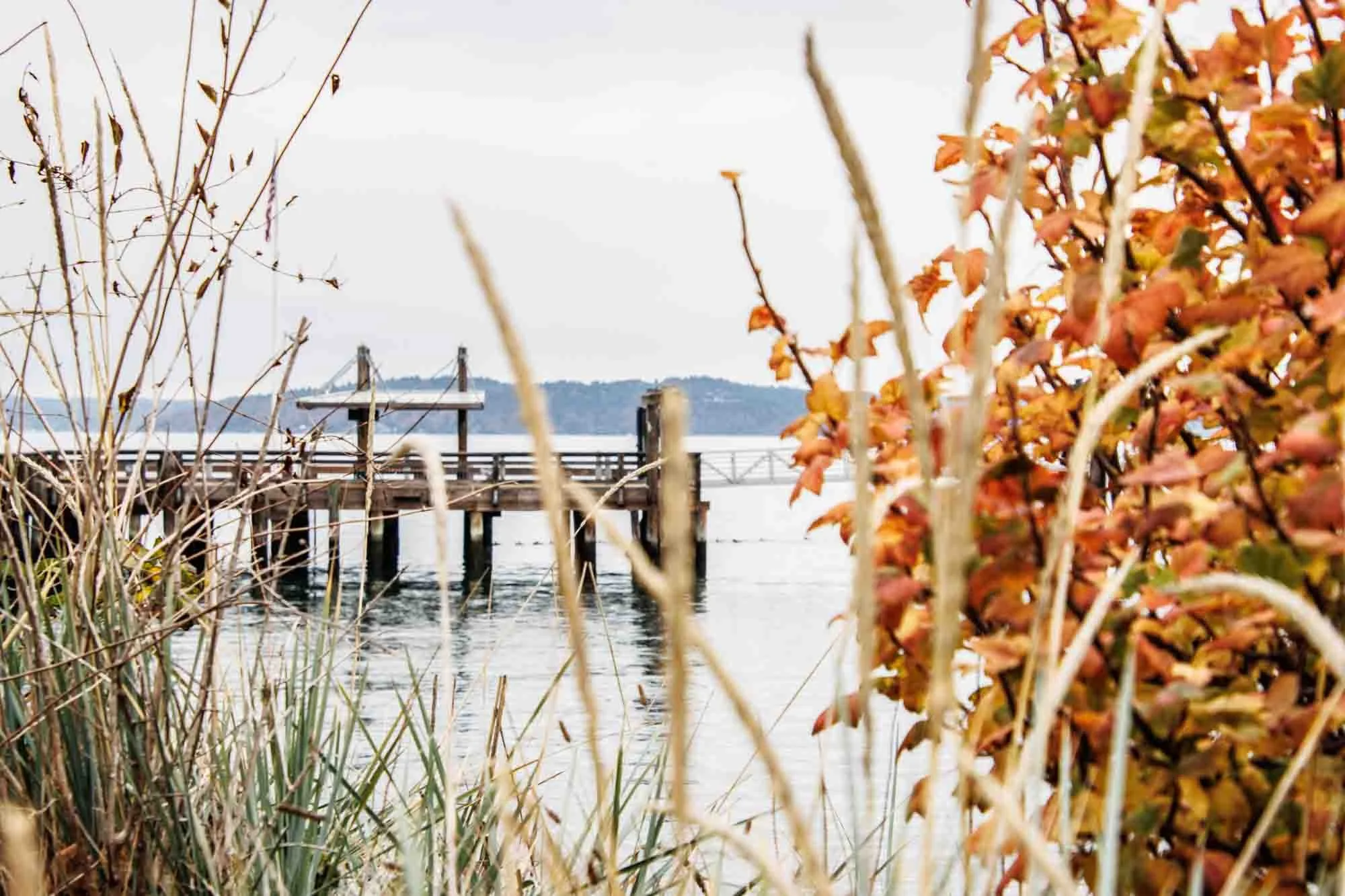
Ruston Way Waterfront
When I moved to Seattle in 1979, and for many years, the only thing I knew about Tacoma was its nickname – the Aroma of Tacoma. Following a concert stop at the Tacoma Dome in the 1980’s, Bruce Springstein reported that he had to get out of town quickly because the odor was overwhelming. And Timothy Egan wrote in his 1990 book The Good Rain, that the Aroma of Tacoma was the longest lasting nickname in the Pacific Northwest. It’s been a long time since I’ve heard anyone reference it.
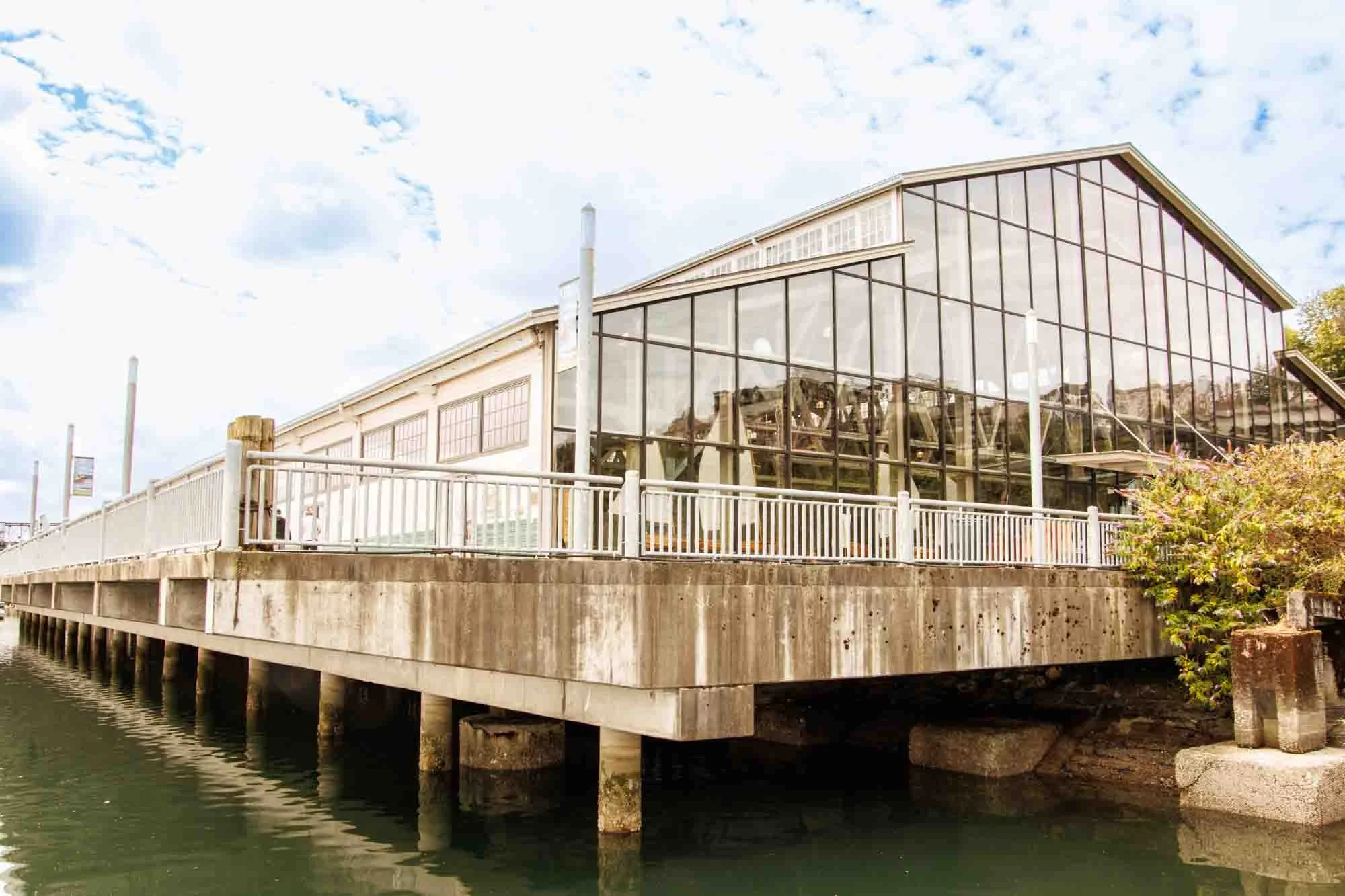
Foss Waterway Seaport Museum
Recently I went to Tacoma to visit the Foss Waterway Seaport Museum that celebrates Tacoma’s past, present, and future maritime heritage. Unfortunately, I hadn’t thought to check the museum’s schedule, and it was closed that day. But it was a beautiful day, and I took a walk along Commencement Bay to see what else was there. Soon I began to realize I had discovered a significant piece of Tacoma’s history.
In 1888 Denis Ryan built a lead smelter, the Tacoma Smelting and Refining Company, on the north end of what was then known as Front Street. He hired William Rust to run the business. Two years later, Rust bought the smelter and founded the area as a company town named “Smelter” for the company employees. Eventually the smelter was sold to the owners of the American Smelting and Refining Company in 1905. ASARCO was a very successful copper smelter, and as the plant grew, so did the town which, by then, contained shingle mills, brick manufacturing, warehouses, boatyards, and canneries along Front Street. In 1906, the name of the town was changed to Ruston, honoring William Rust, and in the same year the town of Ruston was incorporated.

Former location of ASARCO
Throughout most of the 1900’s, the air pollution from ASARCO settled on the surface soil over more than 1,000 square miles of the Puget Sound basin. Arsenic, lead, and other compounds coming from ASARCO,pulp and paper mills, and other factors like the rendering plant and pollution in Commencement Bay.Although many solutions were tried over the years, in 1985 the Environmental Protection Agency shut down ASARCO.
By the time I first explored Ruston Way, the entire area appeared nothing like its description. including the renaming of Front Street to Ruston Way in 1926. Soon thereafter Tacoma Metro Parks acquired an acre of land along Ruston Way with the intent to one day build a public fishing area and boat launch. Over time, Ruston city leaders purchased more and more waterfront property to support the idea of Ruston Way becoming a quality waterfront attraction. I was most interested to get to Ruston’s most northern tip to seek out the 571 feet high “ASARCO Stack”. After searching for a long time, we learned that the stack had been imploded in 1993. What we did find at the tip was more like what the Tacoma city leaders had hoped for. From here, we can stroll down Ruston Way together as I describe what we saw on the next two miles.
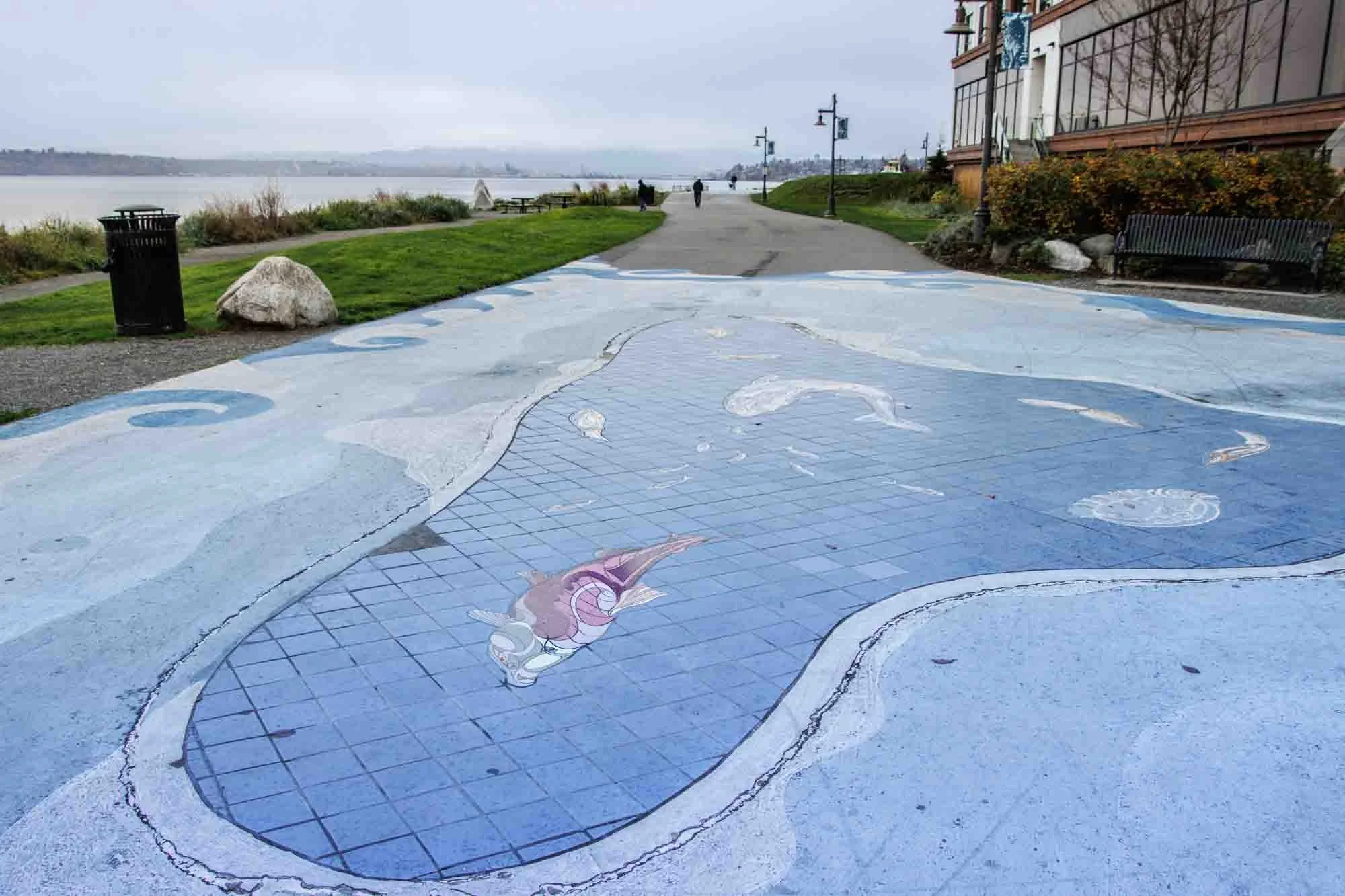
Point Ruston on the water
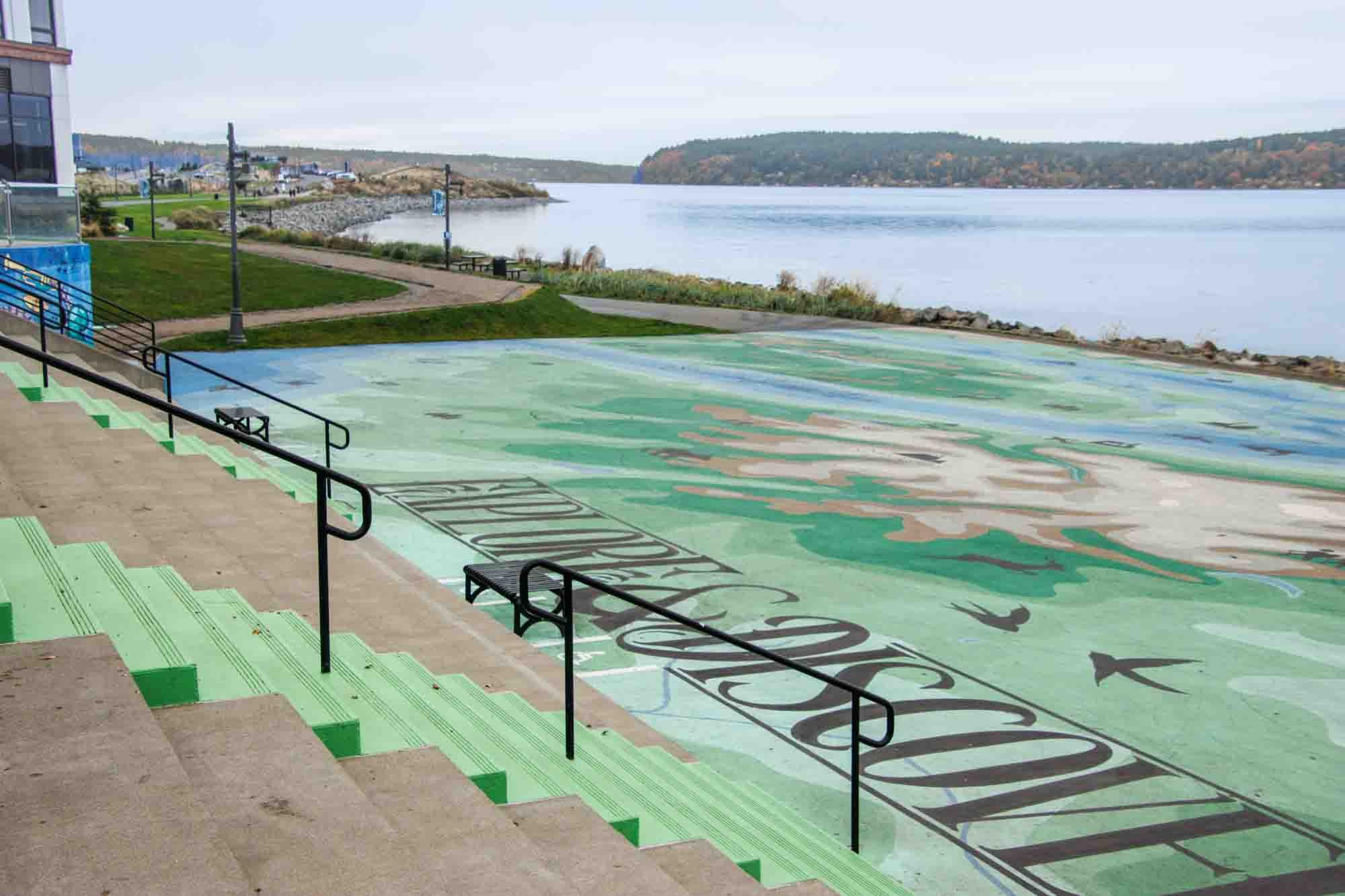
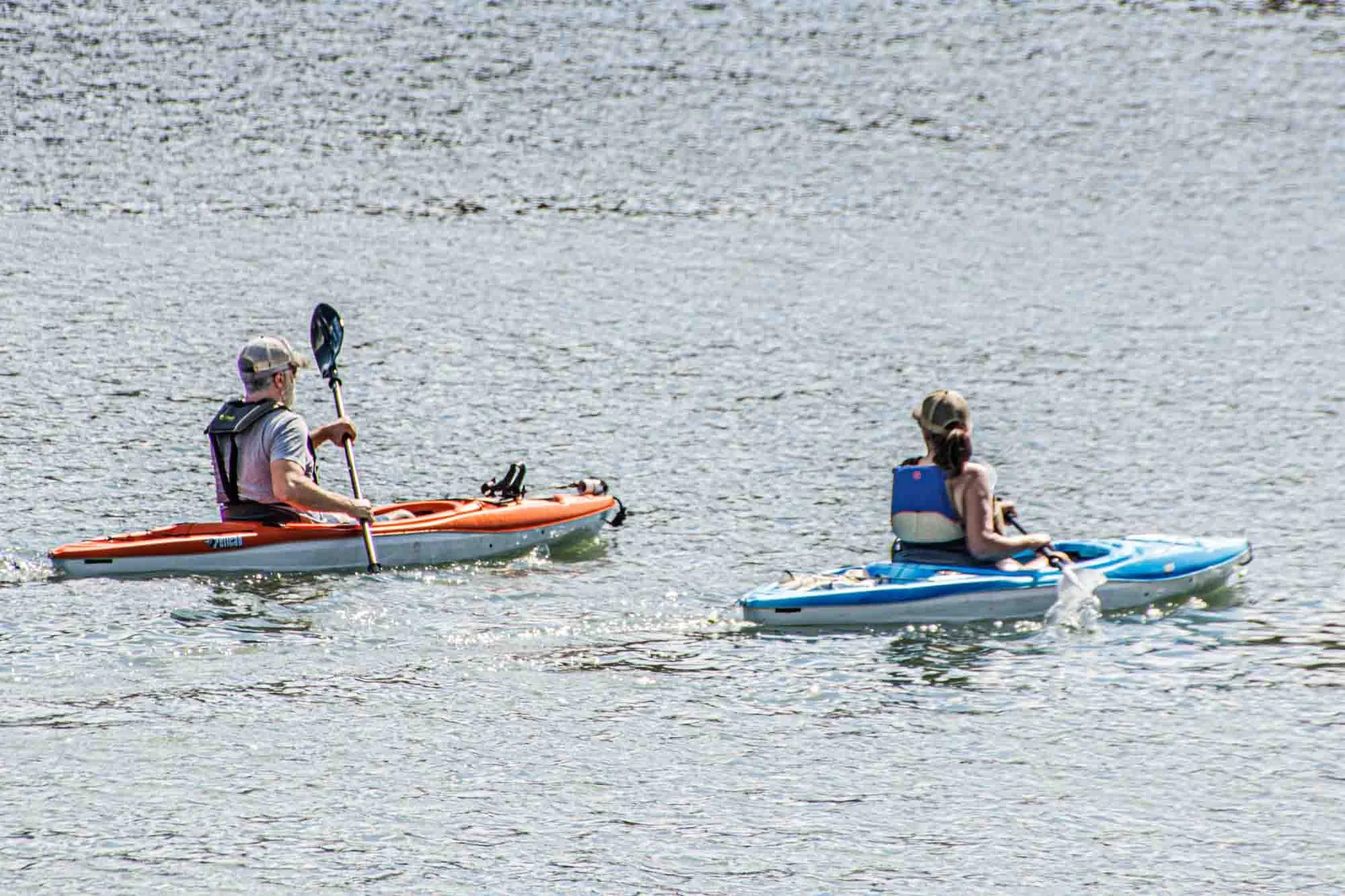
Point Ruston, a small, waterfront resort-inspired village, is the northern-most end of the village of Ruston, and features a mix of natural beauty, recreational opportunities, and community spaces. For the first time in a century, walkers can continue directly to Point Defiance from Ruston Way. The waterfront consists of parks, docks, and historic objects, including several with water access that are great for launching kayaks or paddle boards. A 100-foot-wide pathway is wide enough for walkers, joggers, and strollers, and has beautiful views of the bay, Puget Sound, the Tacoma Port, and if you’re lucky (we were not), you’d see Mt. Rainier in all its glory. As we headed toward the path on the water-side, we discovered the “Grand Plaza”, an acre of panoramic waterfront views, a state-of-the-art children’s “spray ground”, and a waterfront amphitheater with an amazing painted map of local land and water, called “Explore and Discover, perfect for events and concerts. The floor of the first plaza has painted and tiled murals, with mosaics representing starfish, sea bass, and other sea creatures native to Puget Sound.
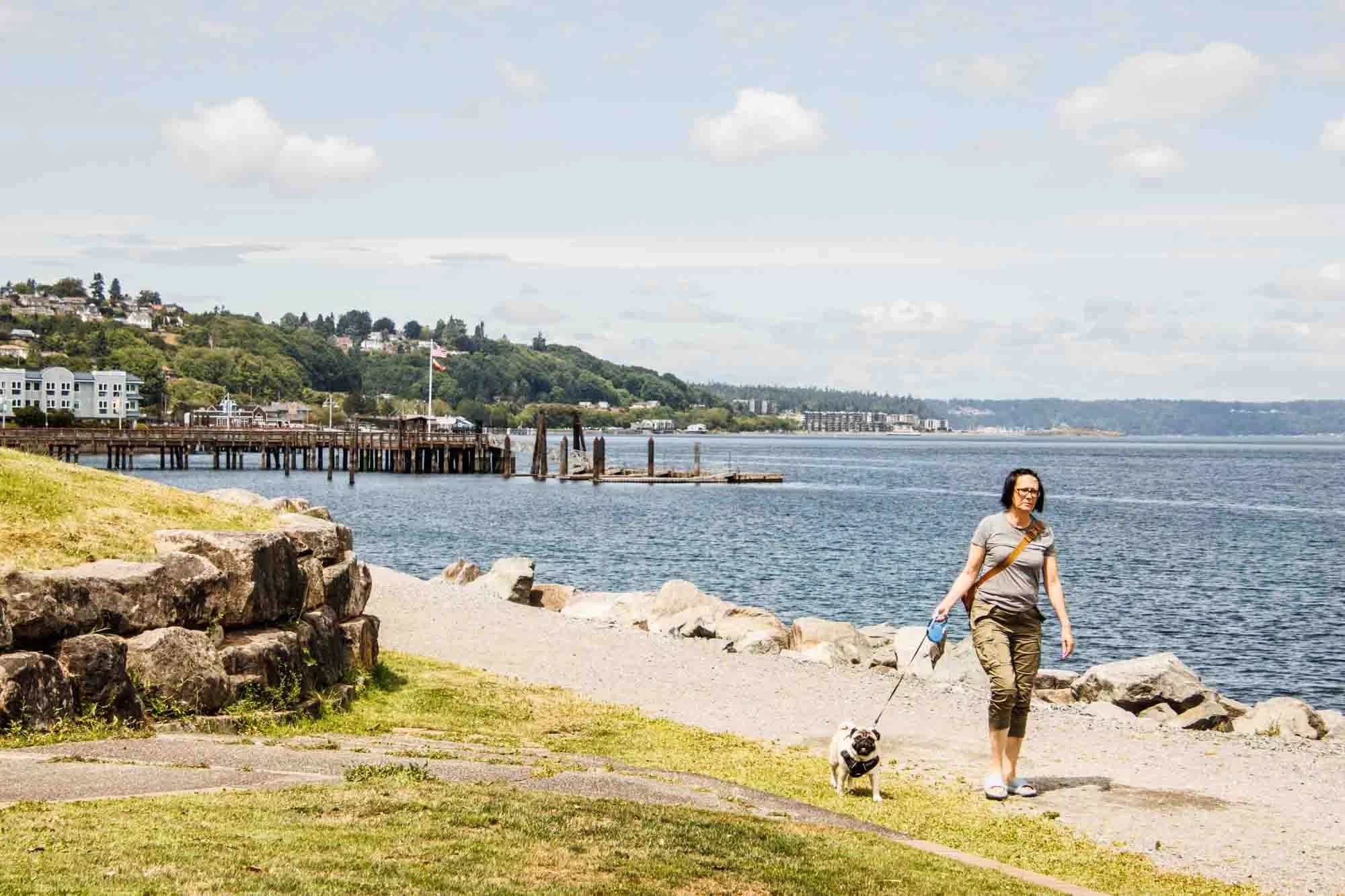
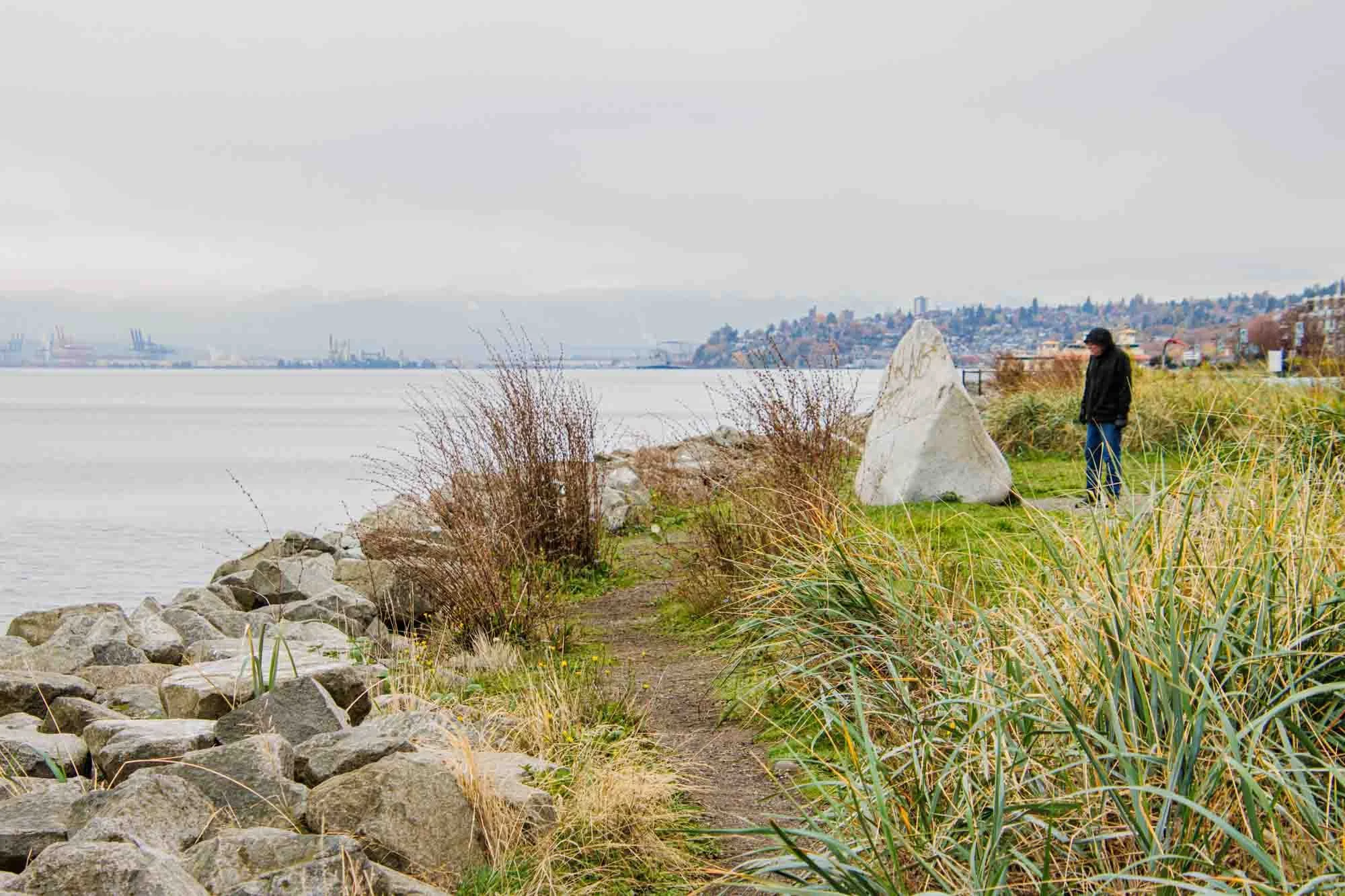
Cargo boat returning to the Tacoma Port
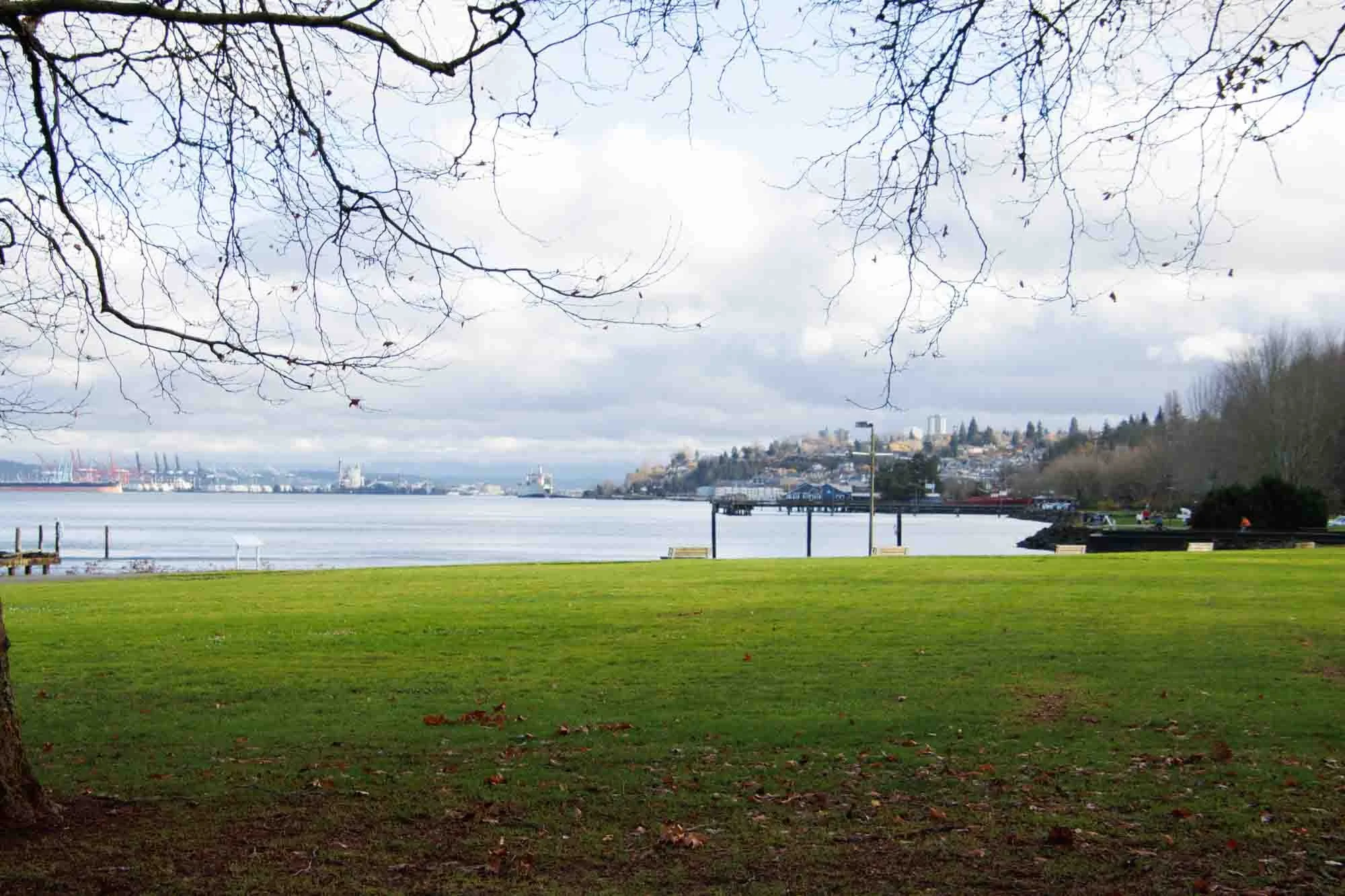
Formerly known as Marine Park, the Judge Jack Tanner Park, was named in honor of Judge Tanner for his commitment to civil rights and for promoting equality. In his role as a federal judge, Judge Tanner advocated on behalf of the Native American peoples to ensure access to traditional lands and fishing rights. He provided advice to President Kennedy during the drafting of what became the Civil Rights Act of 1964, and he influenced an agreement between the City of Tacoma and the company whose negligence resulted in the spilling of toxic chemicals into the harbor. The park itself has plenty of green space for family picnics, sunbathing, and volleyball, in addition to beautiful views of Puget Sound and Vashon Island, and the park provides access to the beach. Visitors can enjoy watching ships coming in and out of the port while strolling or cycling along the paved sidewalks.
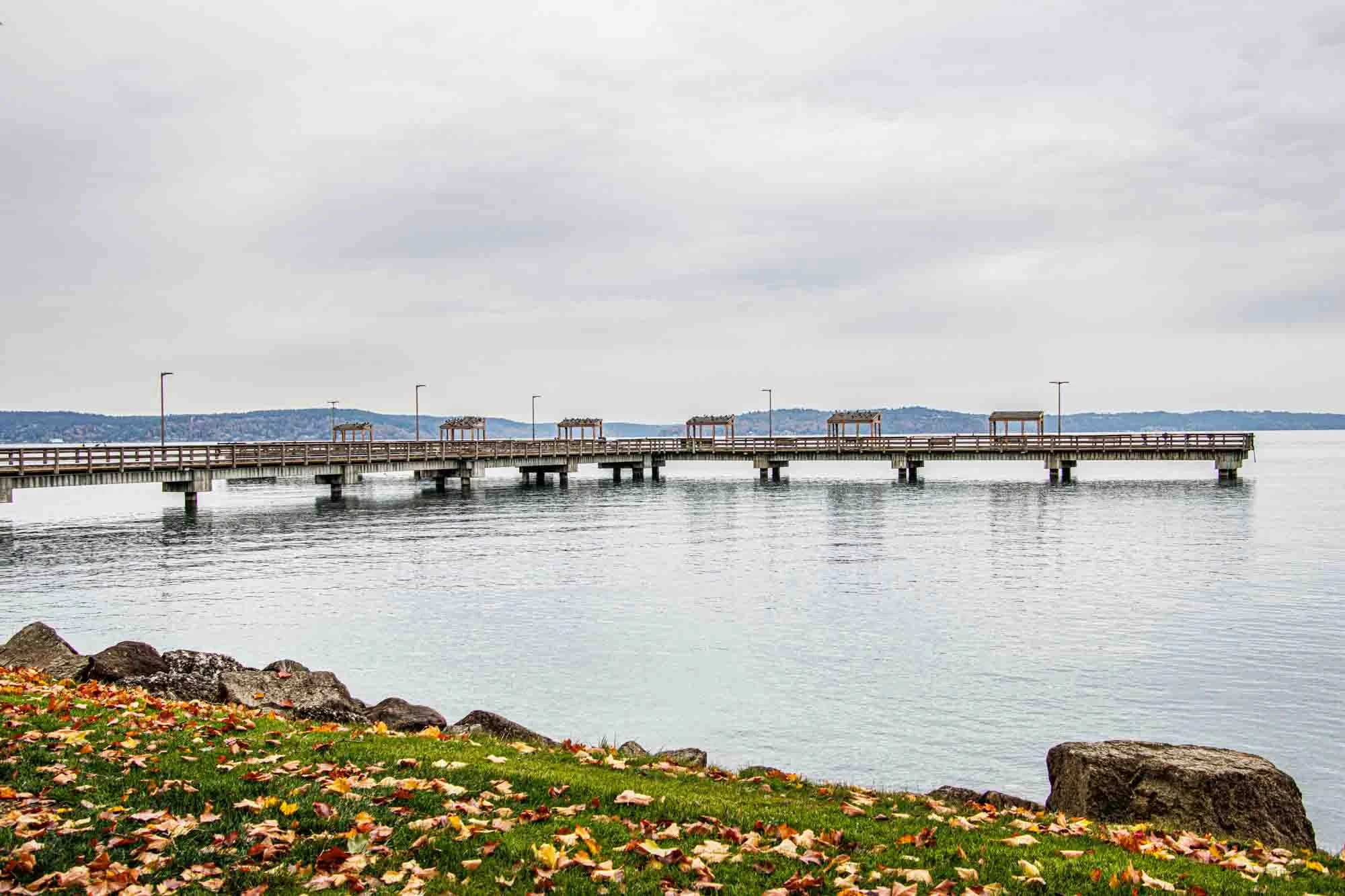
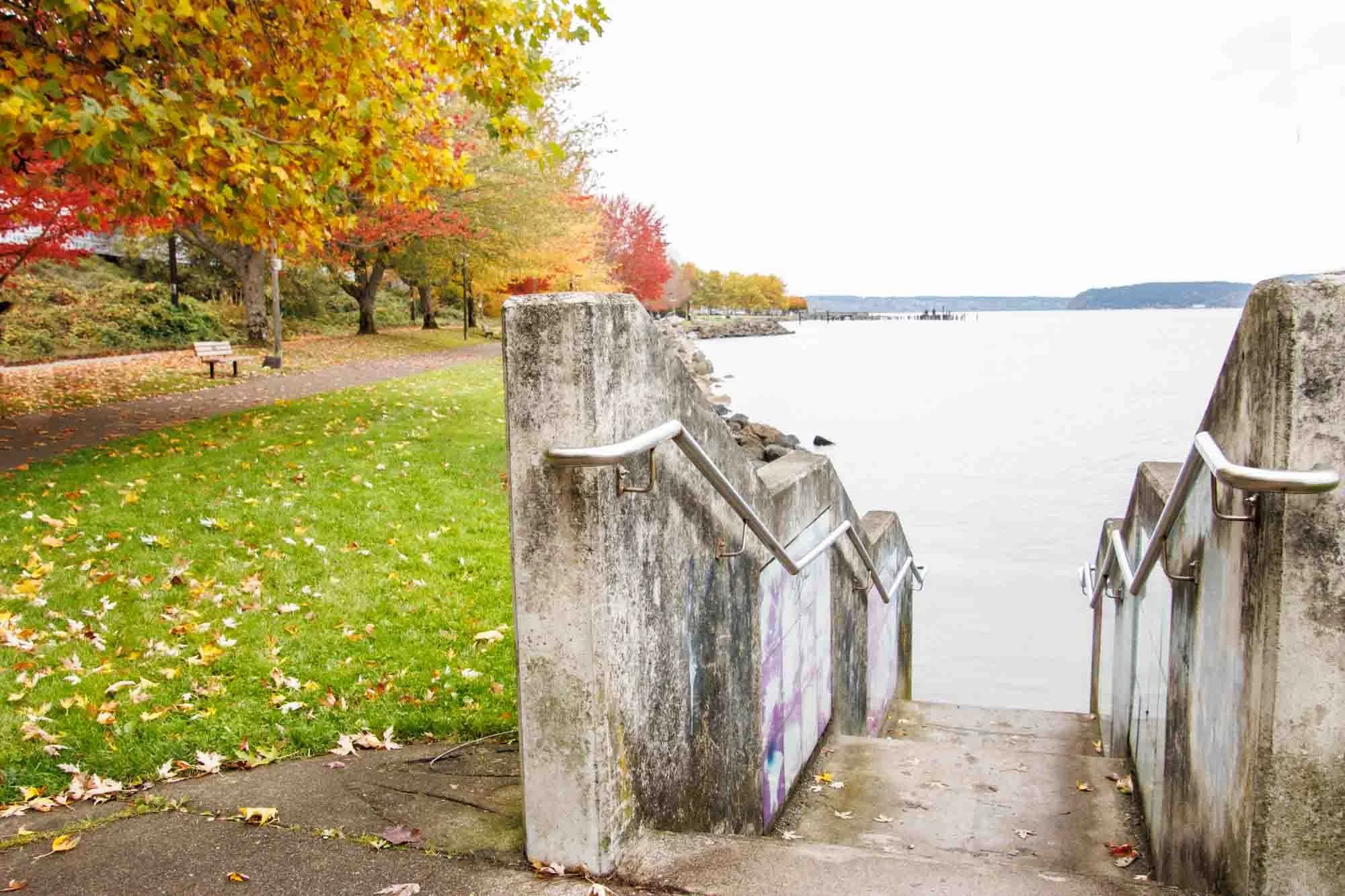
Immediately following the Judge Tanner park is the 300-foot-shaped Les Davis Pier which was built by the Washington State Department of Fish and Wildlife in 1983. The pier was named for the founder of a Tacoma fishing tackle company and a well-known sportsman, Les Davis. The pier is a great place to fish with fantastic water views, and has a shore-accessible saltwater dive site of 130 feet, which is a great site for new and experienced divers. The artificial reefs here provide a variety of life, making it excellent for diving photographers.
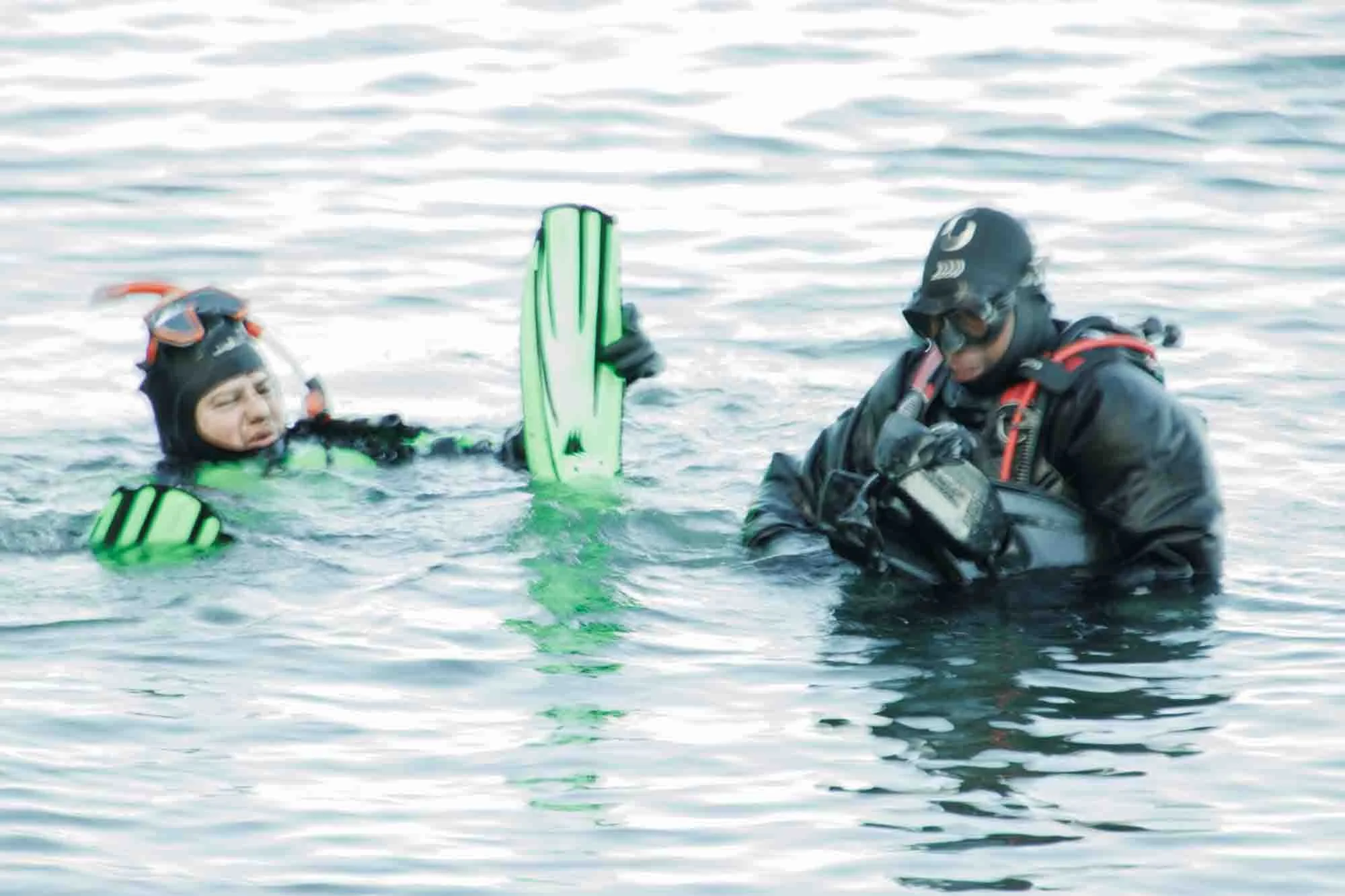
You can’t miss the large, bright red fire boat, built in Tacoma in 1929. It served the community for 54 years of waterfront protection. The boat was one of the first on the west coast built specifically for firefighting. Fireboat #1 is now owned by the City of Tacoma and is on the National Register of Historic Places.
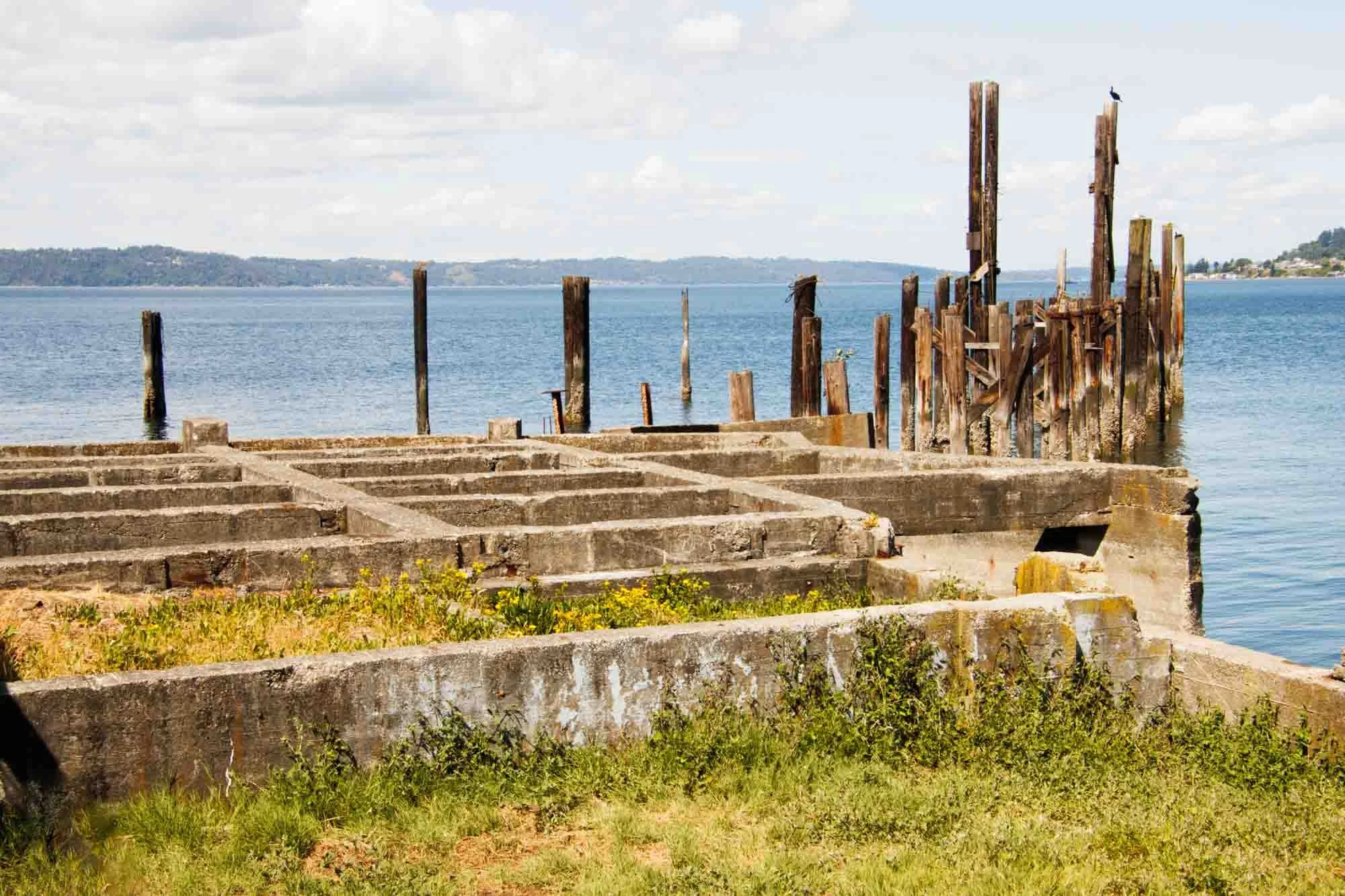
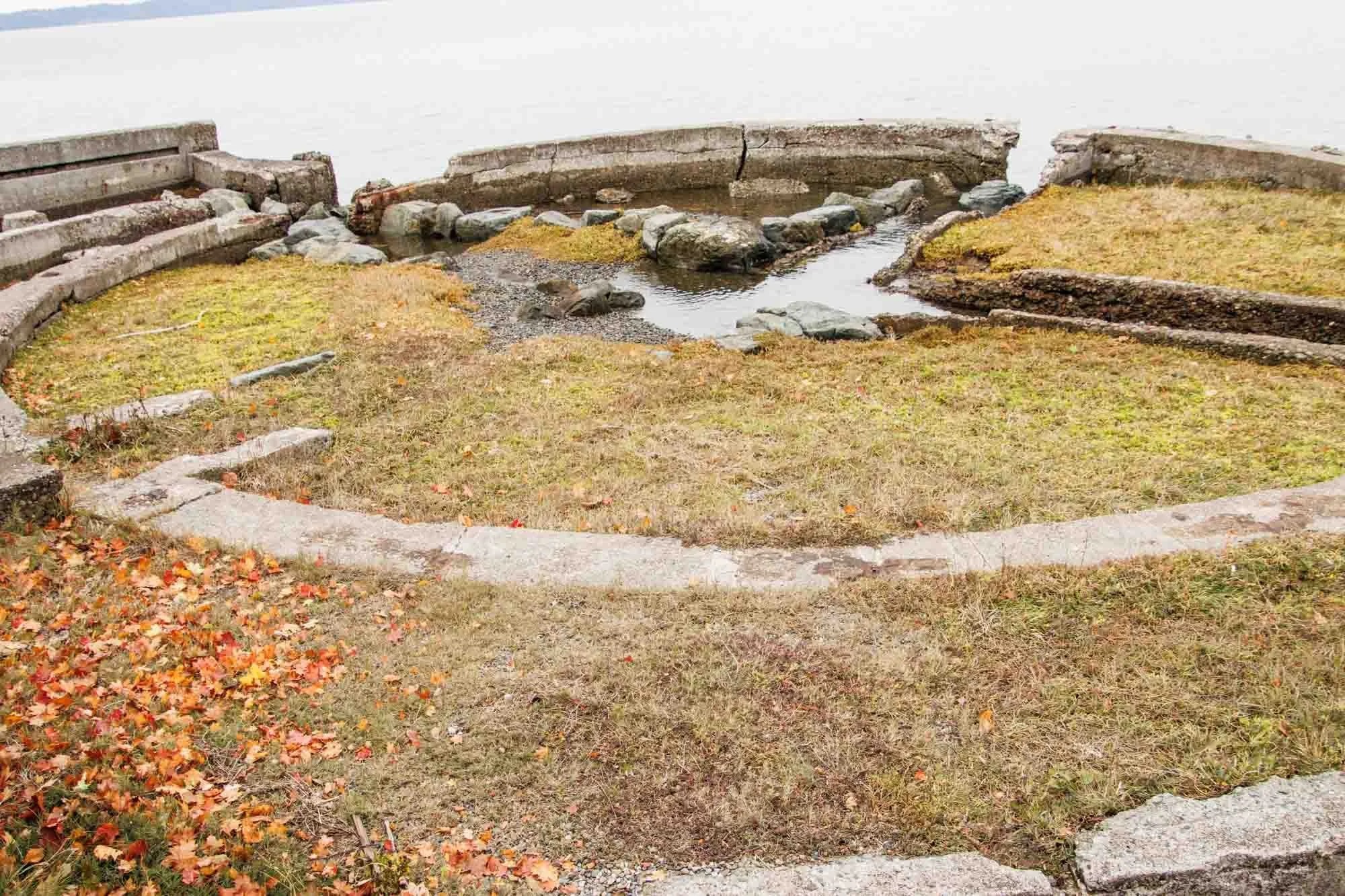
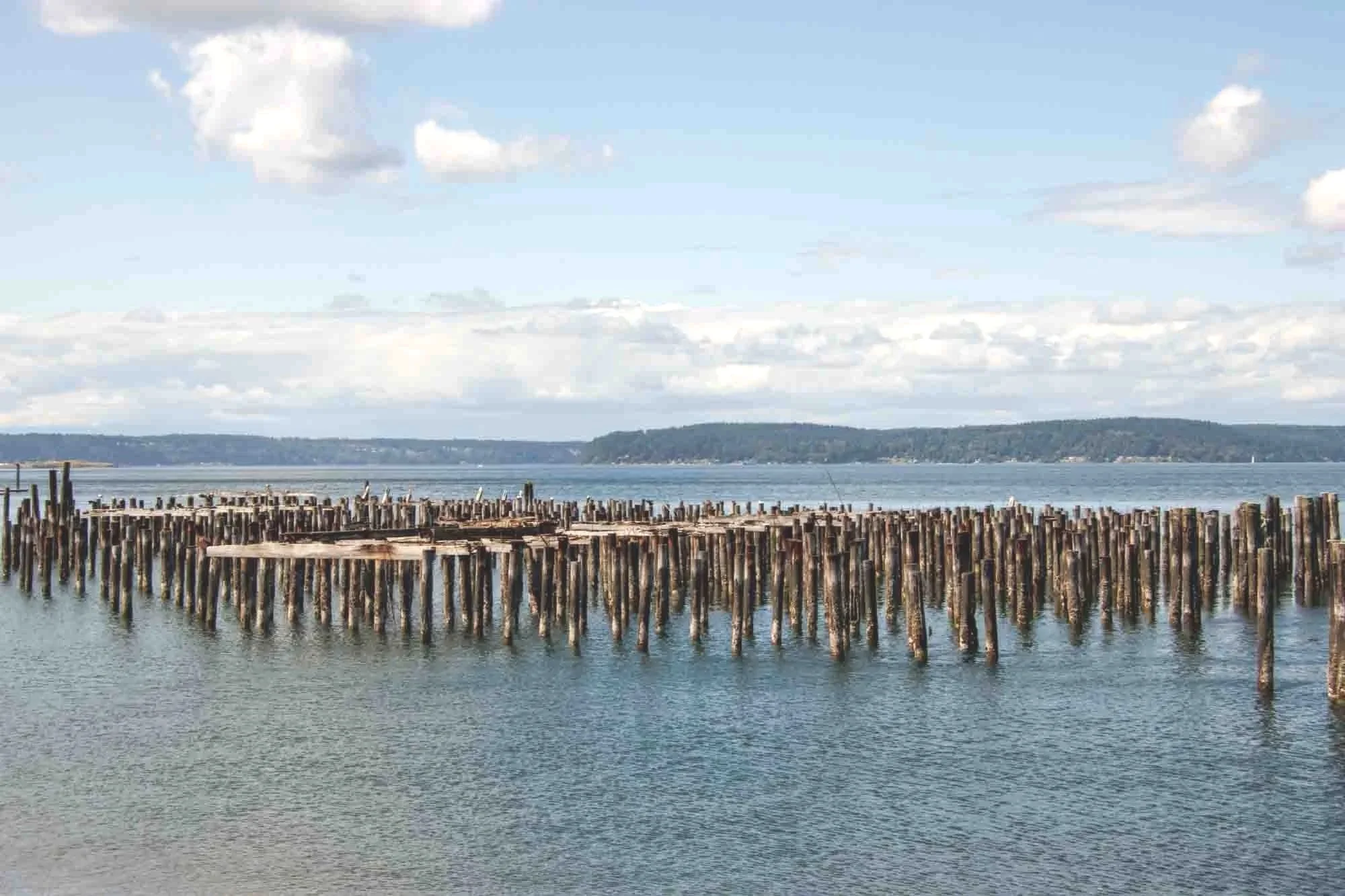
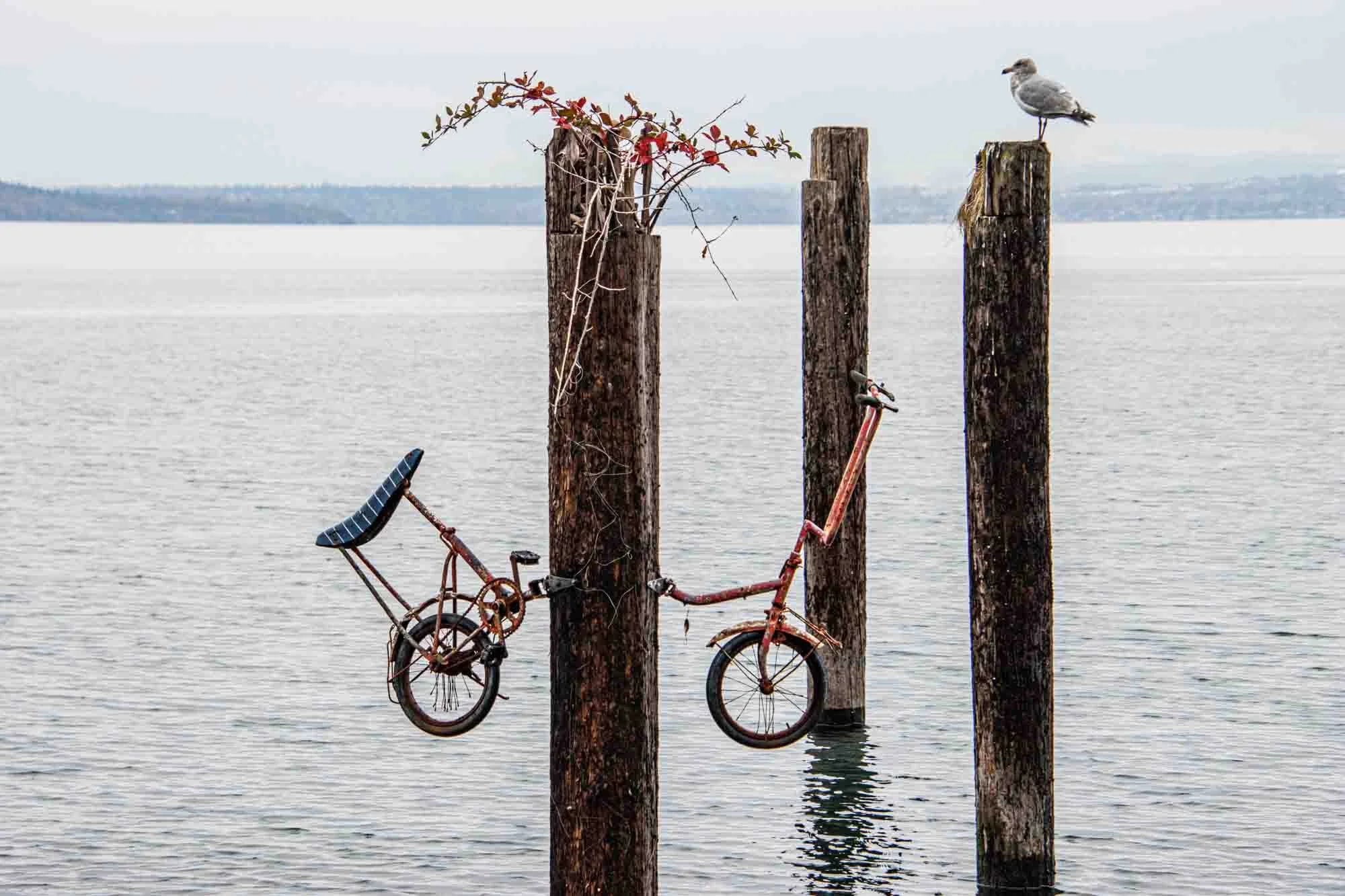
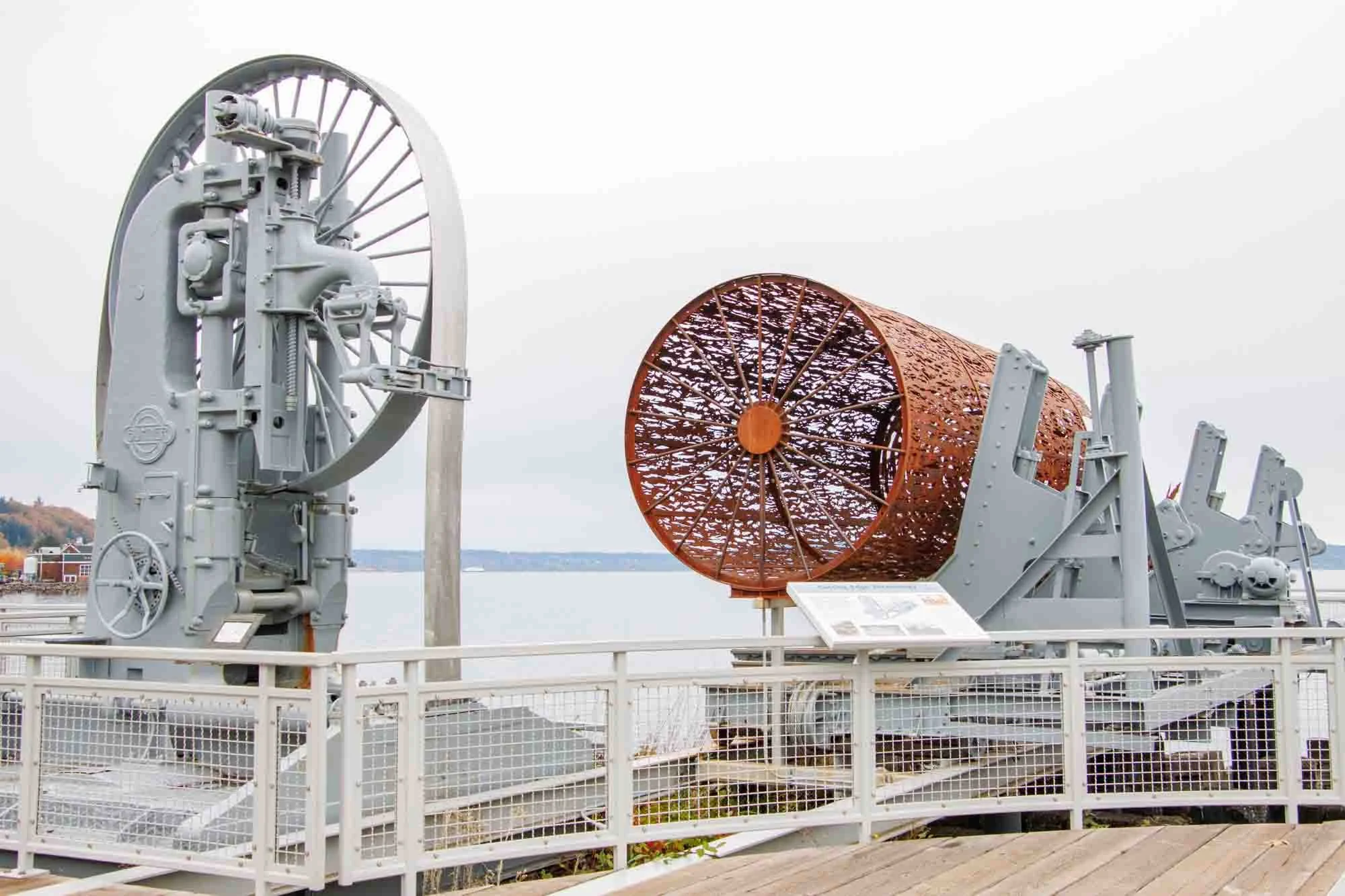
The Dickman Mill Park was named after Ralph Dickman who bought the mill in 1922. The mill, originated on the site in 1889, was expanded and concentrated on specialty lumber. A huge head saw was able to cut boards up to 65 feet long. The mill was closed in 1977, but two years later an enormous fire destroyed most of the buildings and equipment. Dickman Mill Head Saw was restored and the park reopened in 2021. The 60-foot circular foundation of the wigwam burner that was an enormous furnace built to consume the many tons of scrap wood produced by the mill. The remaining pilings have been gradually perishing to nature ever since. In 1991, Metro Parks purchased the site and built a park, removing contaminated soils and adding native plants and grasses along the shore. One day in 2014 a folding bicycle appeared on a piling near Dickman Mill Park. It was named the Piling Bike for :obvious reasons”. but there is less information about the timing of the second one.
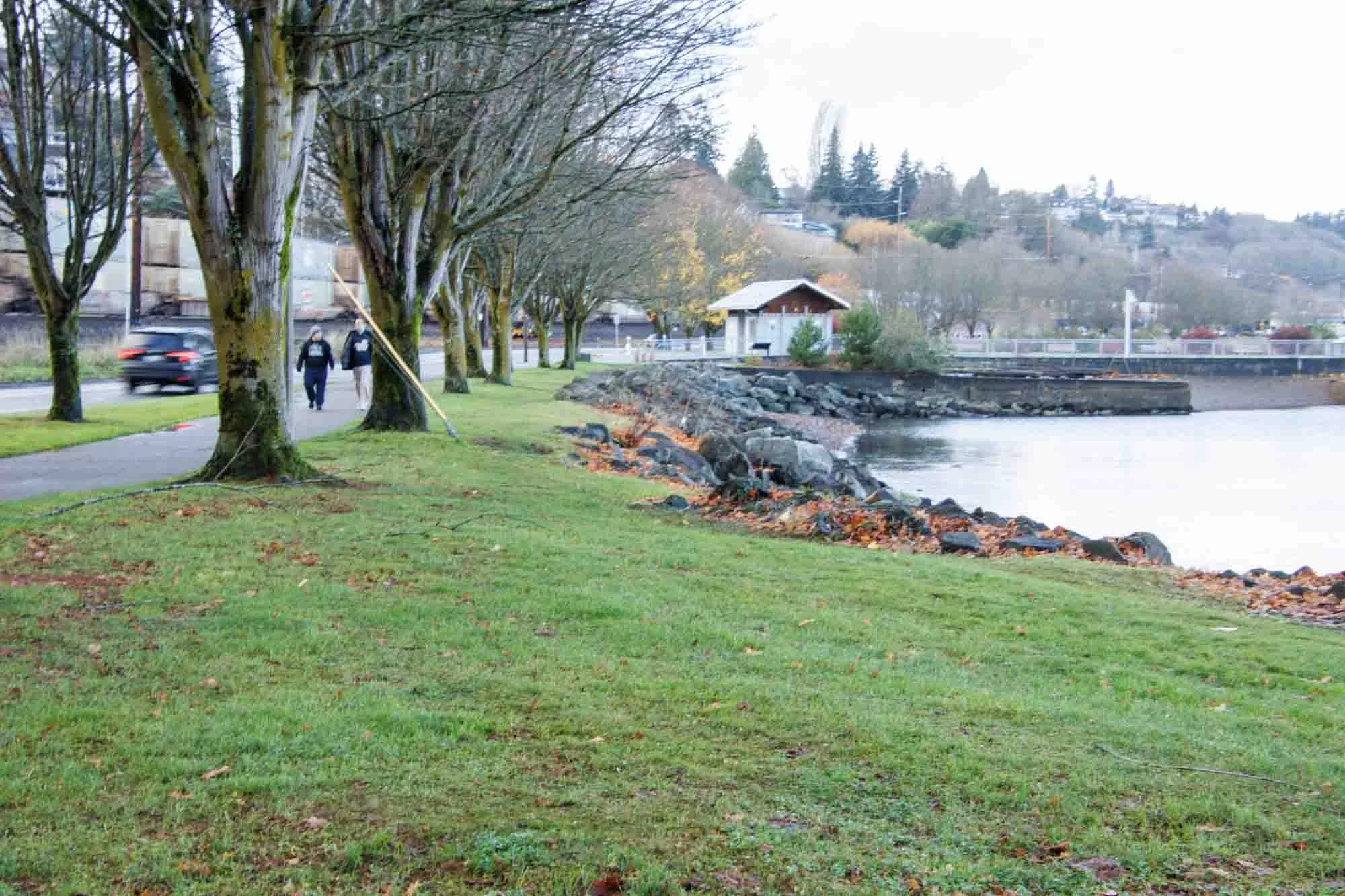
In 1968 the City Council voted to spend $150,000 to acquire as much waterfront between the Old Town Dock and the Ruston smelter. Still owned by the City of Tacoma and maintained by Metro Parks, Hamilton Park was named in 1984 to honor City Attorney Robert Hamilton. Hamilton Park is one of the smallest parks but its winding paths, tall trees, and access to the beach help families enjoy the large areas of grass with picnics and exploring the area.

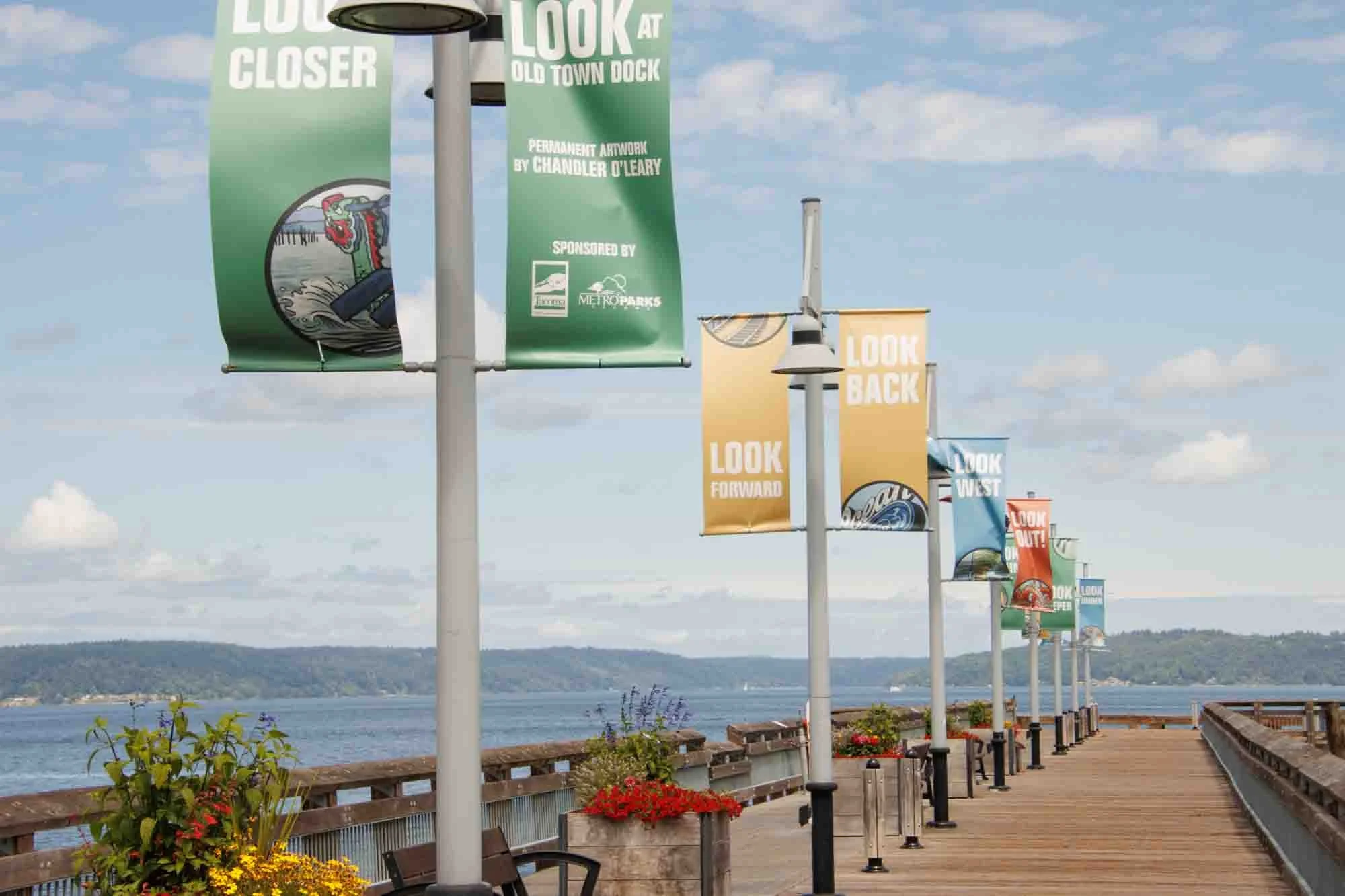
The Old Town Dock juts into Commencement Bay and overlooks the Port of Tacoma. The dock has been in its location since 1873 when it was built by McCarver Street Wharf Company to service the shipping industry on Puget Sound. The dock sits at the bottom of McCarver Street, the only street along Ruston Way that crosses over the railroad tracks and leads up through Old Town. In its early days the dock was a hub for the “mosquito fleet” and housed shops and even a jail. It was also a popular place for the Puyallup tribe members to harvest shellfish. And even now, the fisher people continue to be attracted to this area with its plentiful sea life. The seafood restaurants that continue to thrive along the waterfront are a testament to this legacy.

Fishing on the Old Town Dock
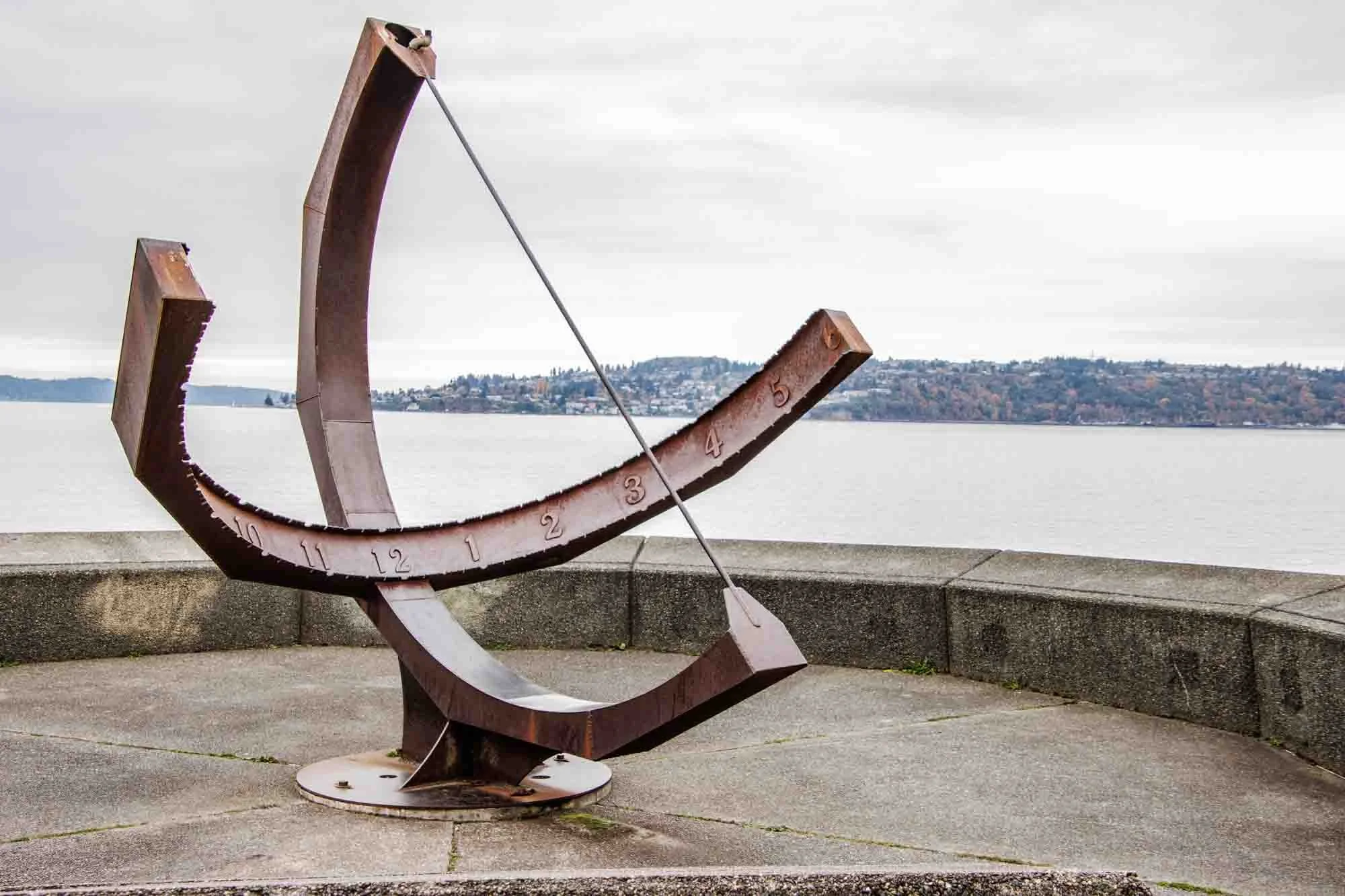
A long-term community leader, Jack Hyde, was committed to helping make Tacoma a better place to live. He participated on a variety of city boards, served two terms on the Tacoma City Council, and for 17 days as mayor. Previously named Commencement Park, the property was originally the site of the Tacoma Boatbuilding Company. The landscape architect on the park designed and installed an oversize sundial sculpture which works as both a device for telling time, and as an art piece in the park. The site was purchased by the City of Tacoma in 1976 and was named in honor of Jack Hyde in 2022. The park offers beautiful scenery, walking paths, panoramic views of the Puget Sound, and access to various recreational activities such as paddle boarding and fishing.
The Chinese Reconciliation Park, is the most southern of the parks on Ruston Way. The Chinese Expulsion Act was passed by Congress in 1882 for the purpose of preventing Chinese from coming to the United States. Over previous years hundreds of Chinese had been coming to this part of the country to work on the Central Pacific Railroad. Several local citizens jointed with other influential people in Tacoma to develop a plan to remove the Chinese from this area. On November 3rd,1885 several hundred white men assembled and initiated their plan to drive the Chinese out of Tacoma to areas just outside of Tacoma’s border. The next day Chinese businesses were destroyed by fire, leaving very little of the Chinese community. Following the expulsion the 27 key ringleaders were arrested and prosecuted but not convicted. Several years later the U.S. paid an indemnity of over $424,000 to the Chinese government for all damages to Chinese in the U.S.
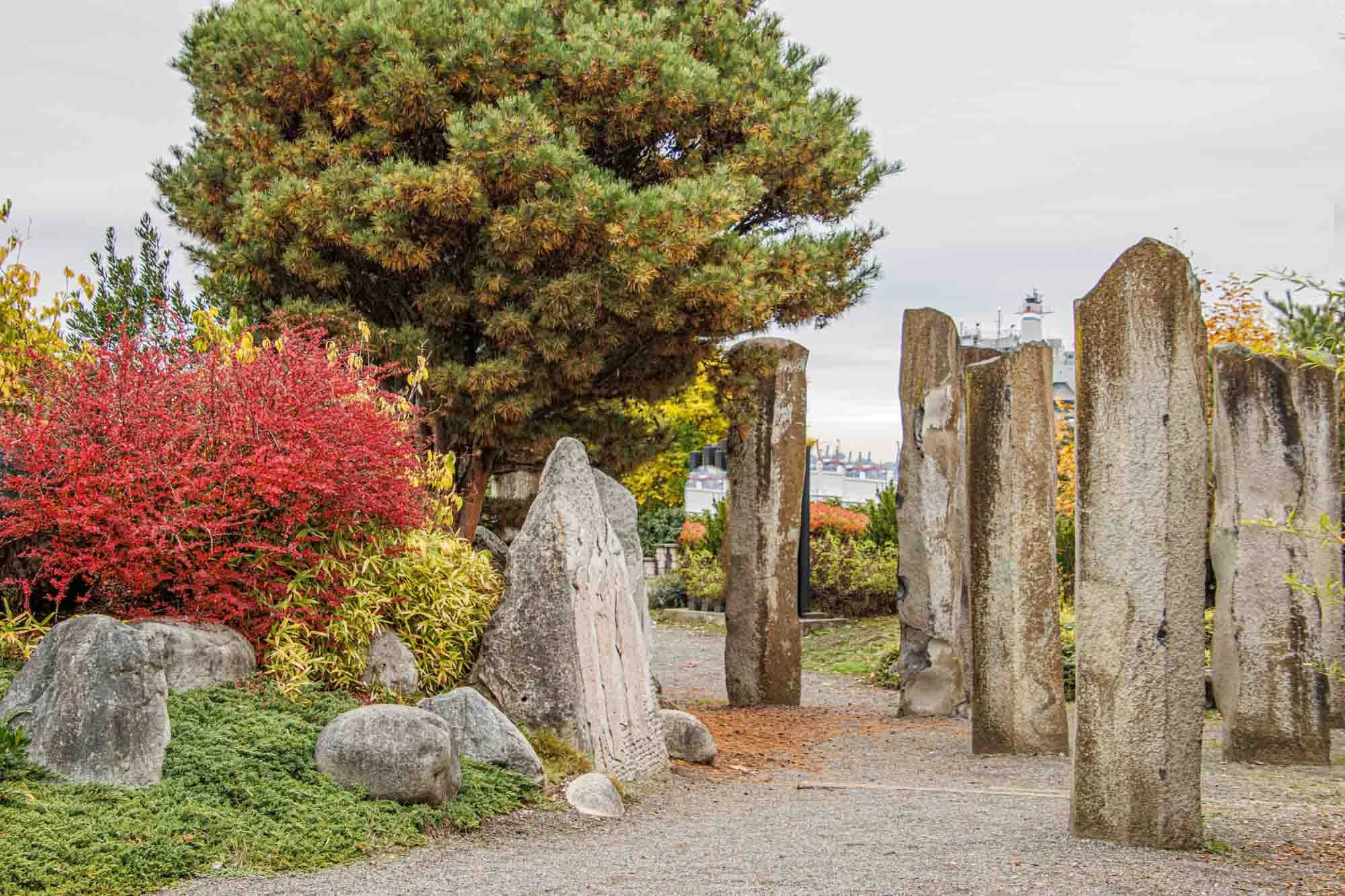
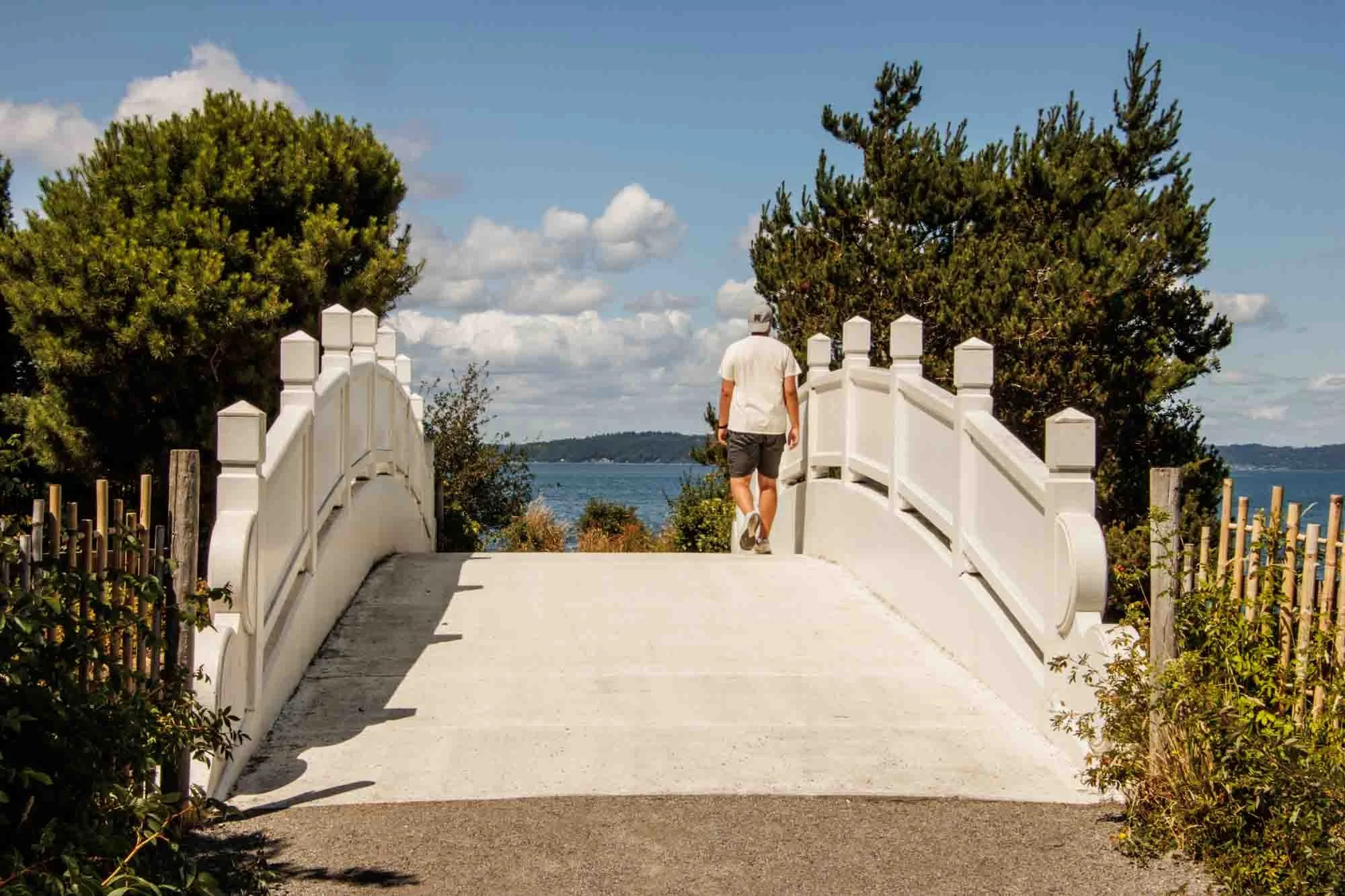
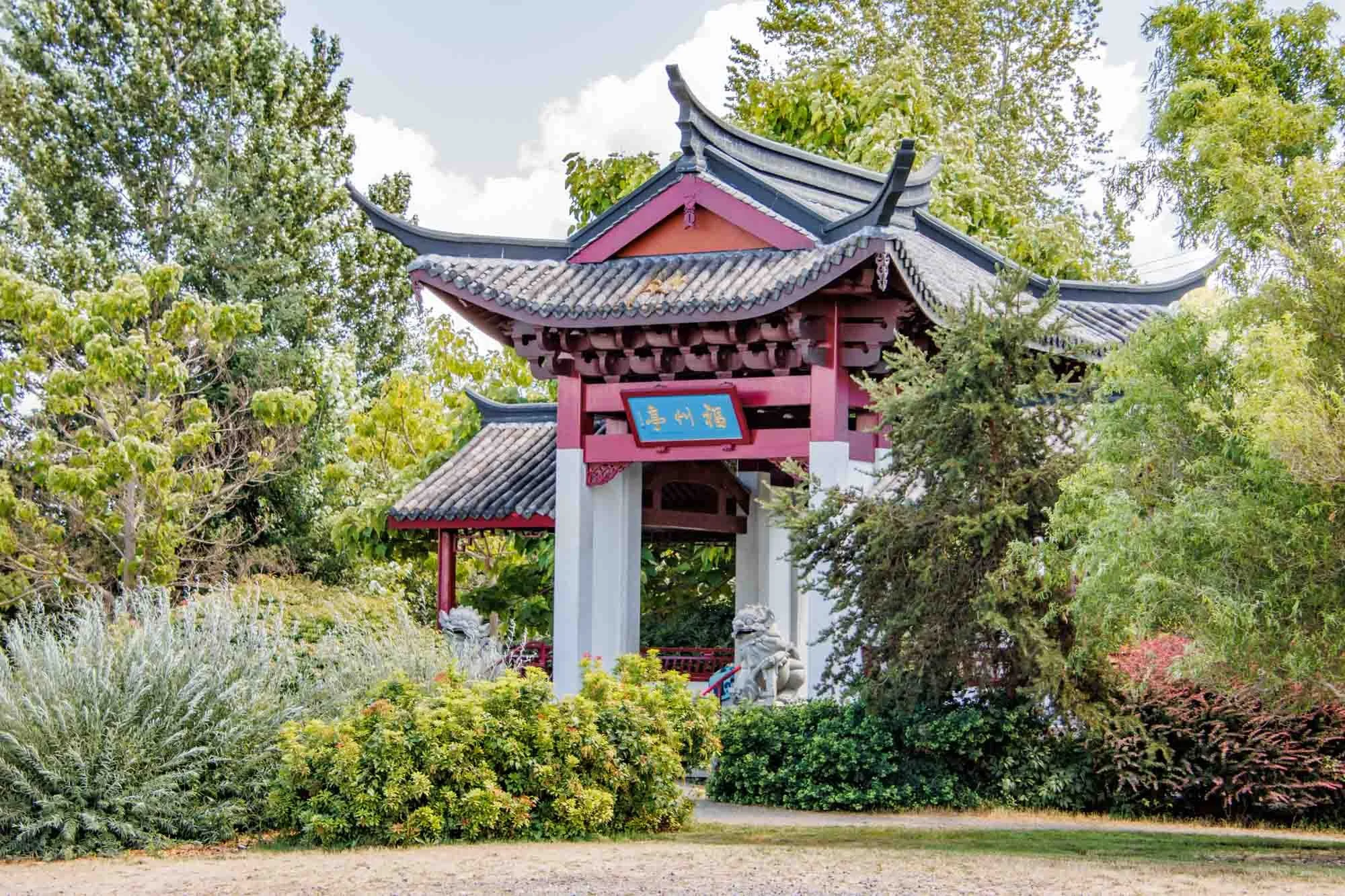
Following a call for ideas about further developing the waterfront, Dr. and Mrs. David Murdoch suggested a waterfront park with Chinese cultural themes. An advisory committee of citizens was formed and later became the Chinese Reconciliation Park Foundation. The Foundation would form a vision of reconciliation that would educate the community and visitors about the incident and promote multicultural inclusiveness. Today, the park is situated between the water and the railroad that Chinese workers had helped build. The park is defined by the glistening white bridge, an open-walled pavilion, and symbolic carvings and pylons throughout. Panels with bits and pieces of early Chinese history and the expulsion are strategically scattered throughout the park. Despite the tragic history of the Chinese people, the foundation, designers and artists have created a beautiful park that reminds us of the impact of hate on groups of people, such as we have today.

I’ve visited Ruston Way three times and each time I see something I’d missed on the previous outings. Having Commencement Bay, the Tacoma Port, and both recreational and working boats in the water just add to making each visit different and enjoyable. I know I’ll be back.