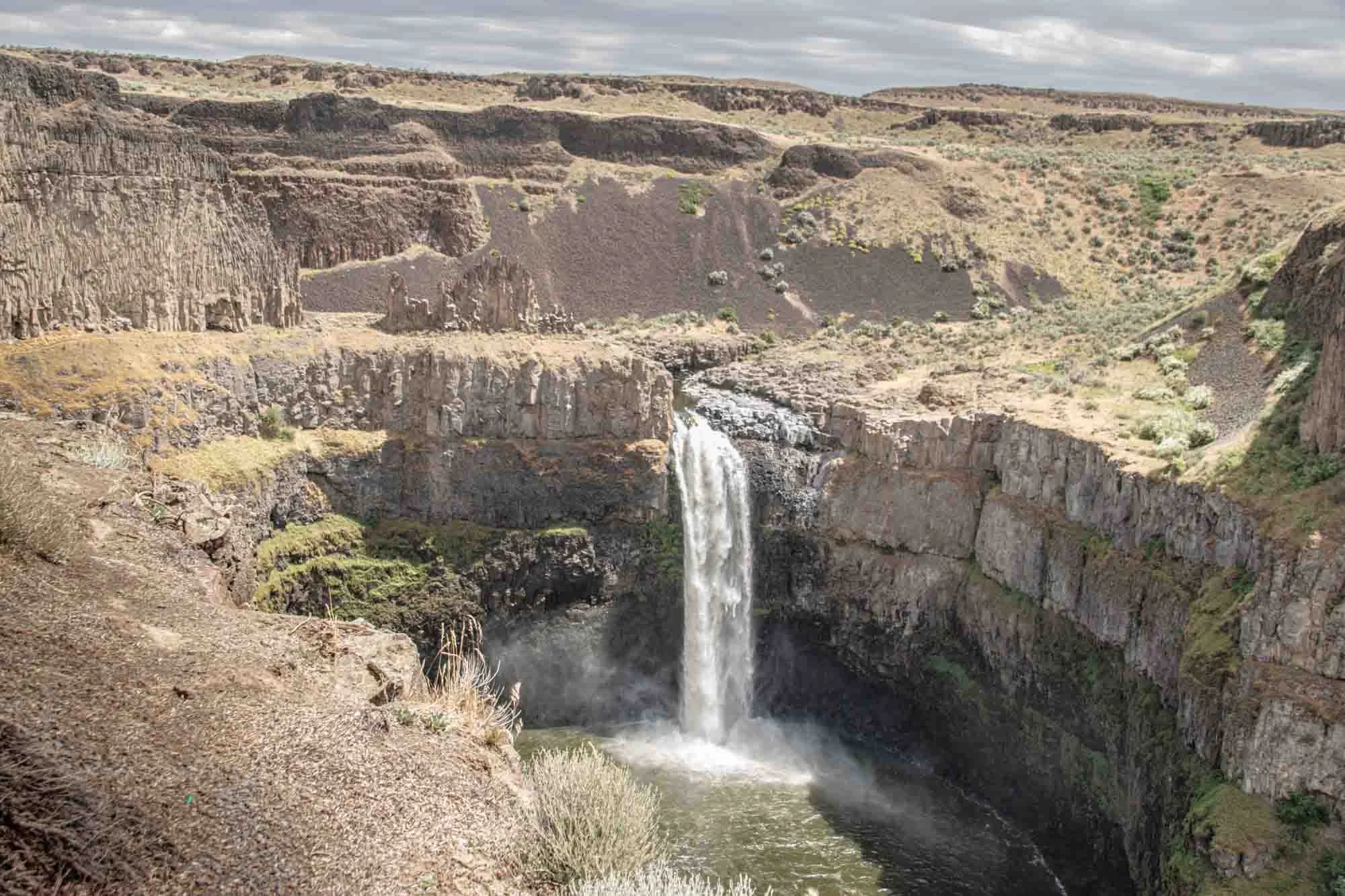
Channeled Scablands and the Palouse Falls
As we crossed the Columbia River at Vantage, and for several hours and many miles, we saw a significant change in the environment. Having left Kittitas County’s rolling hills, greenish-gray sagebrush, and bright yellow petaled balsam root, we now saw desolate cliffs, barren bedrock, and soil-free rocky land formations. We had been driving through the Channeled Scablands that extend for 15,000 square miles from the Columbia River to area outside of Spokane, and southwest to the Snake River.

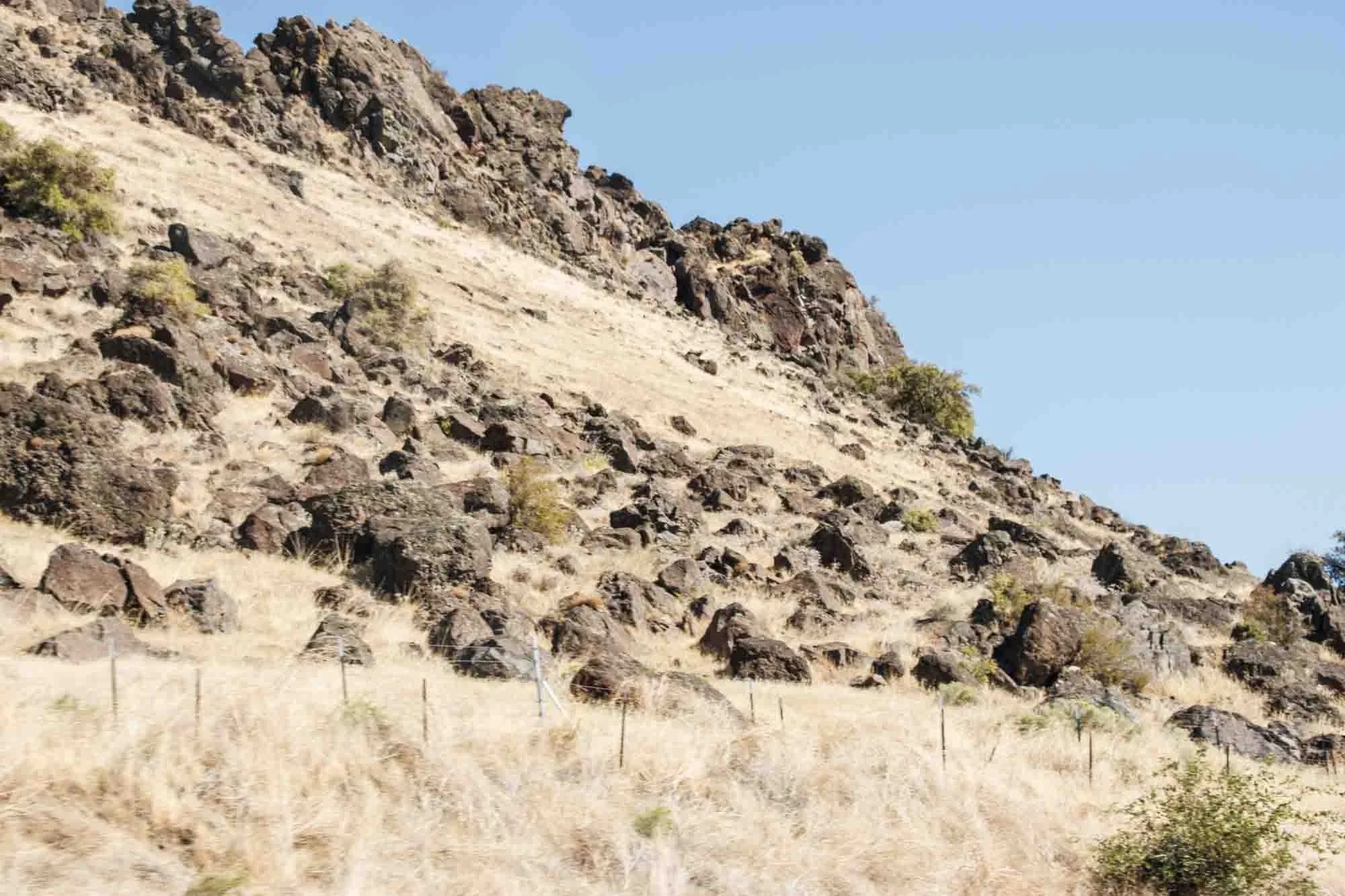
Channels, deep as hundreds of feet, are crisscrossed by long gorges that cut into the bedrock, some as deep as hundreds of feet and as long as the Grand Coulee at 60 miles long. Scablands are where soil had been removed and the underlying rock is exposed or covered with its own debris. Layers of basalt cliffs, deep canyons, and a river that winds through the stone are characteristic of scablands. Early settlers referred to areas as Scablands because they were not suitable for farming.
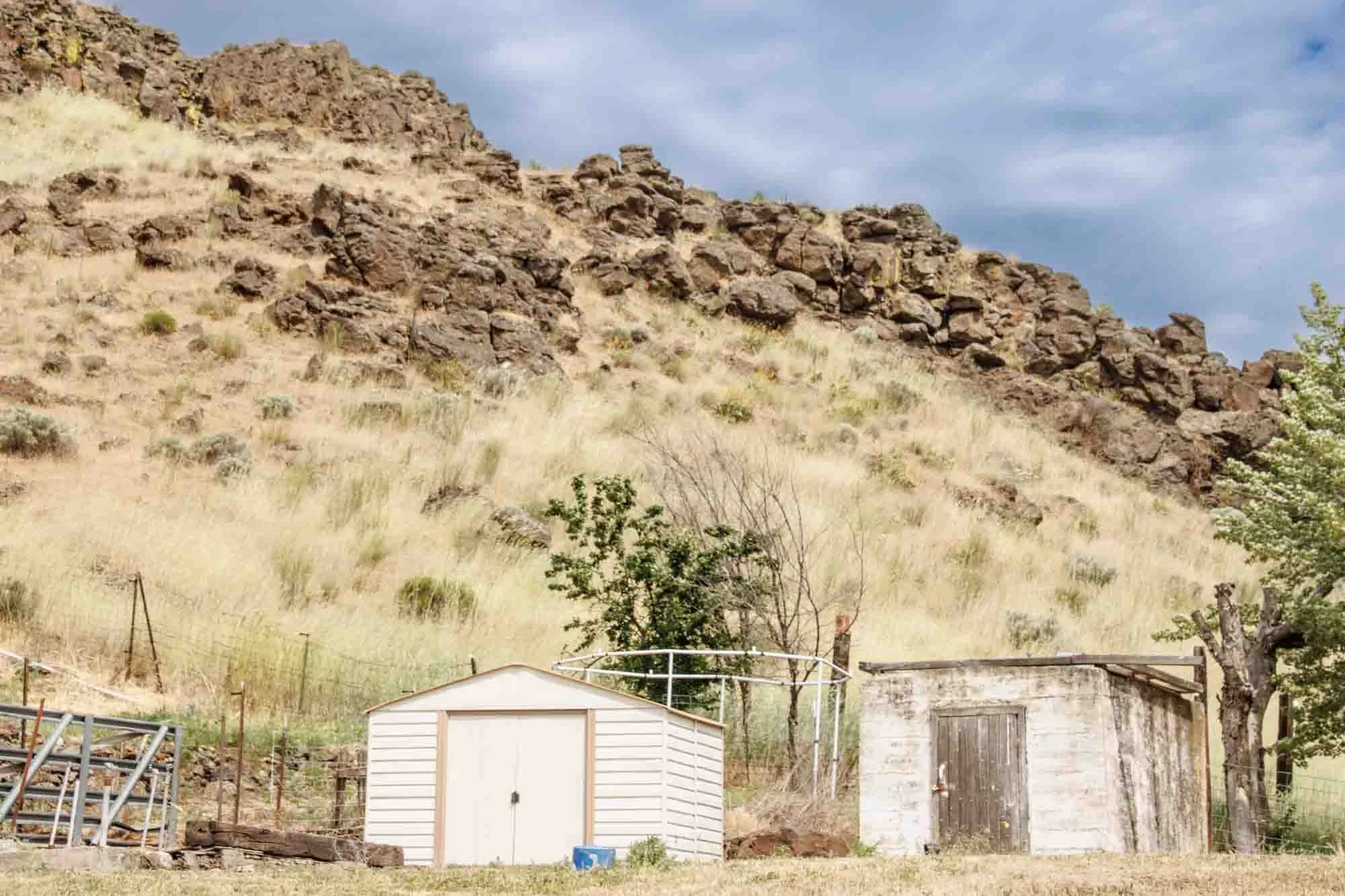
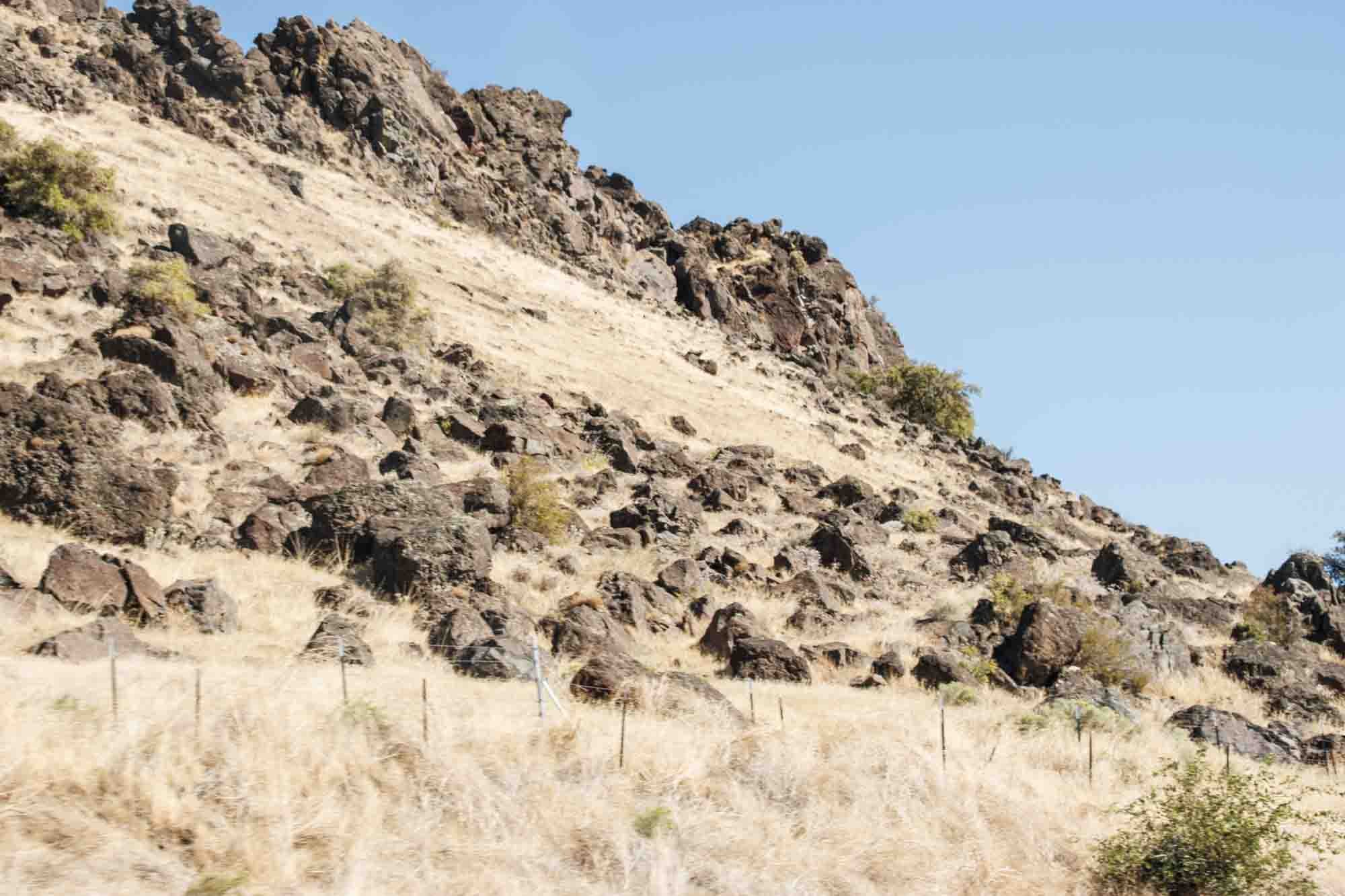


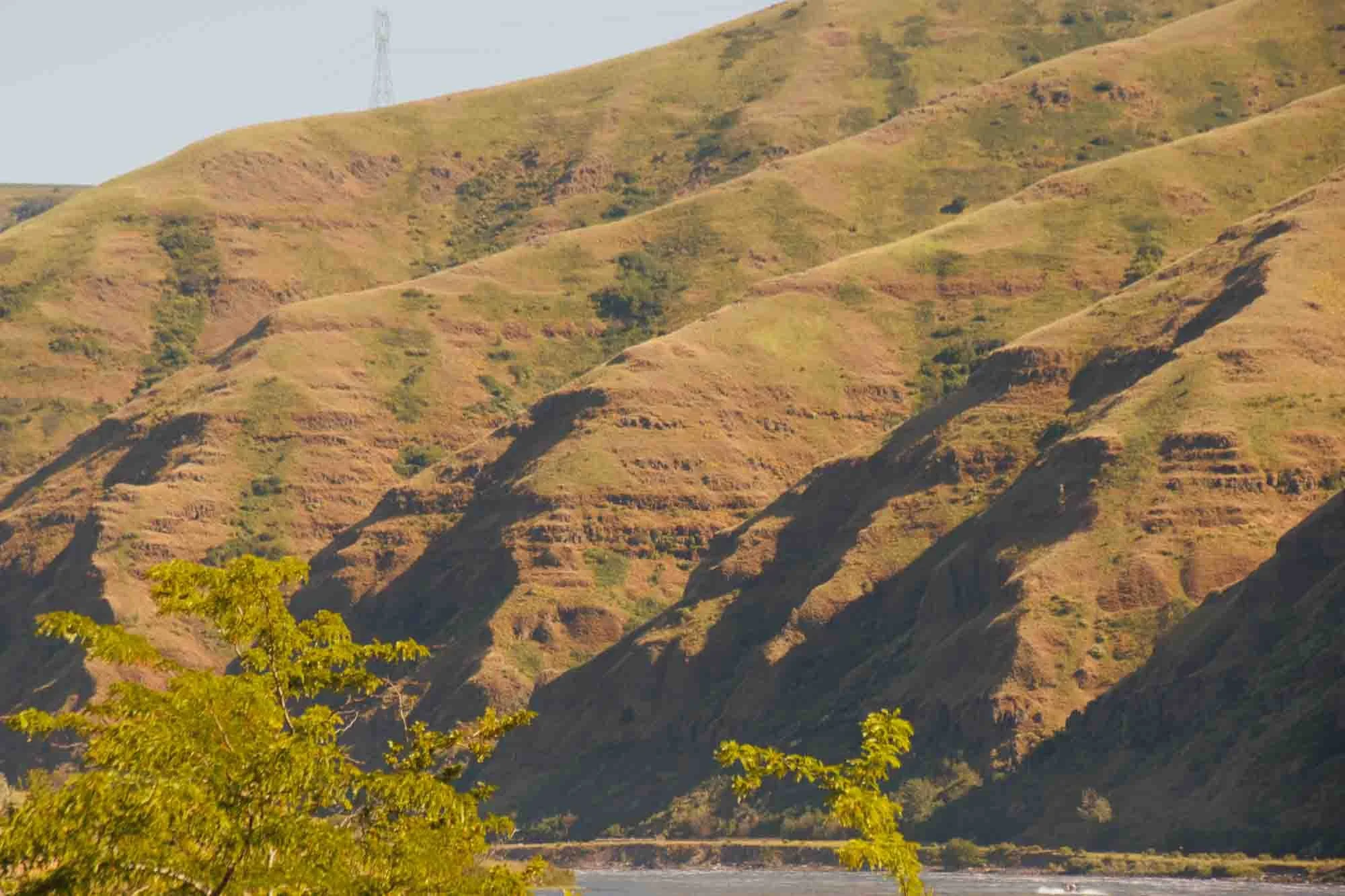
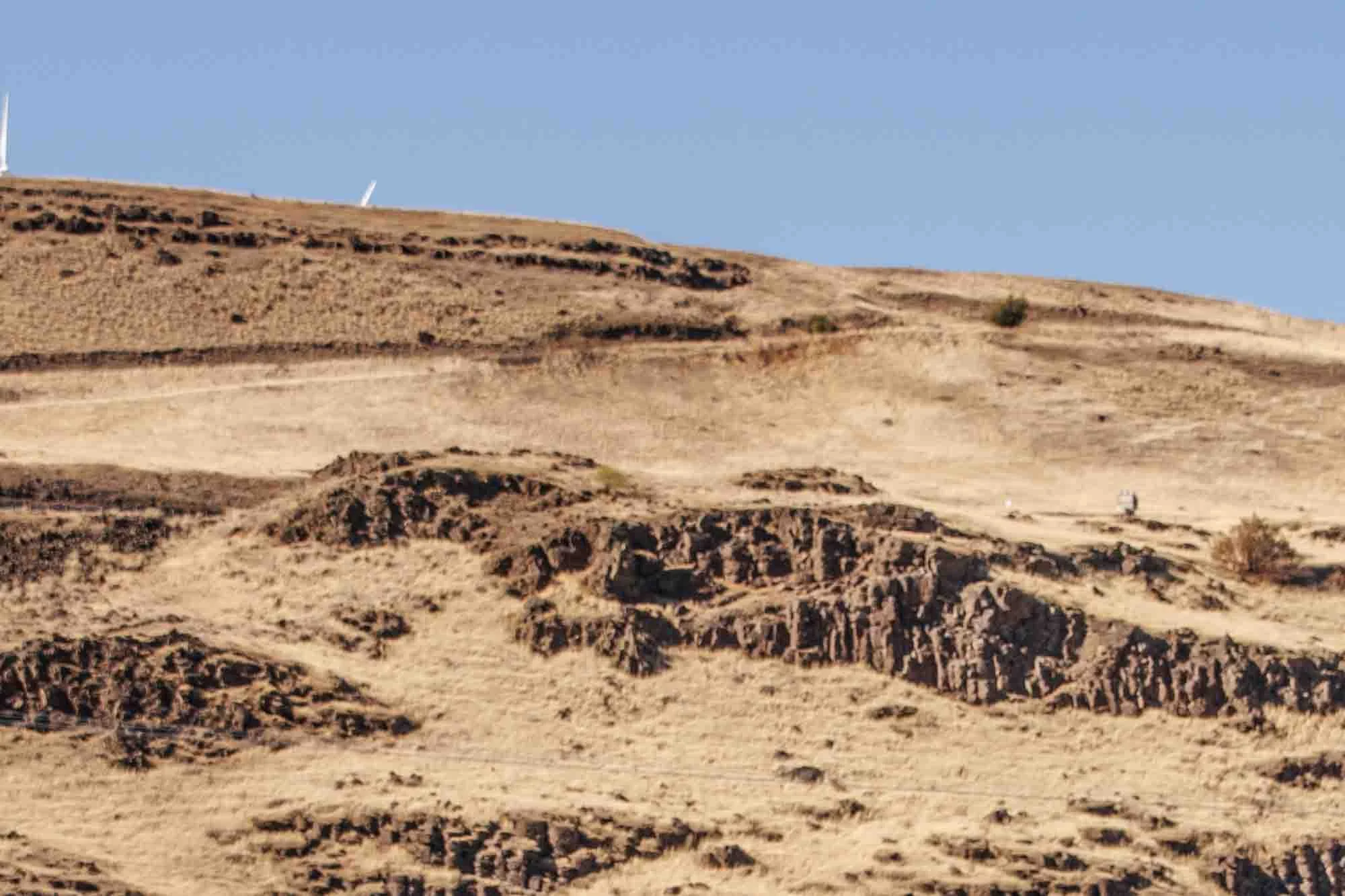
The debate on the origin of the Scablands became one of the great debates in the history of geology. In 1923, J. Harlen Betz published his first paper about the Channeled Scablands after spending two summers and hiking 3000 miles throughout them. He theorized that the Scablands were formed by cataclysmic floods that plowed through hills, gouging out canyons and carrying car-sized boulders for hundreds of miles. In fact, at the end of the last Ice Age, 18,000 to 15,000 years ago, an ice dam in northern Idaho created Glacial Lake Missoula stretching 3,000 square miles around Missoula, Montana. The dam burst and released flood waters across Idaho and Washington, and down the Columbia River into Oregon before reaching the Pacific Ocean. The Ice Age Floods forever changed the landscape and lives of the Pacific Northwest. Bretz’s theory was not easily accepted. But with the help of NASA’s satellite imagery in the early 1970’s that clearly revealed the network of channels carved by the floods when 500 cubic miles of water swept everything across the landscape. It wasn’t until the early 1970’s that the mega flood theory was finally accepted.
Palouse Falls
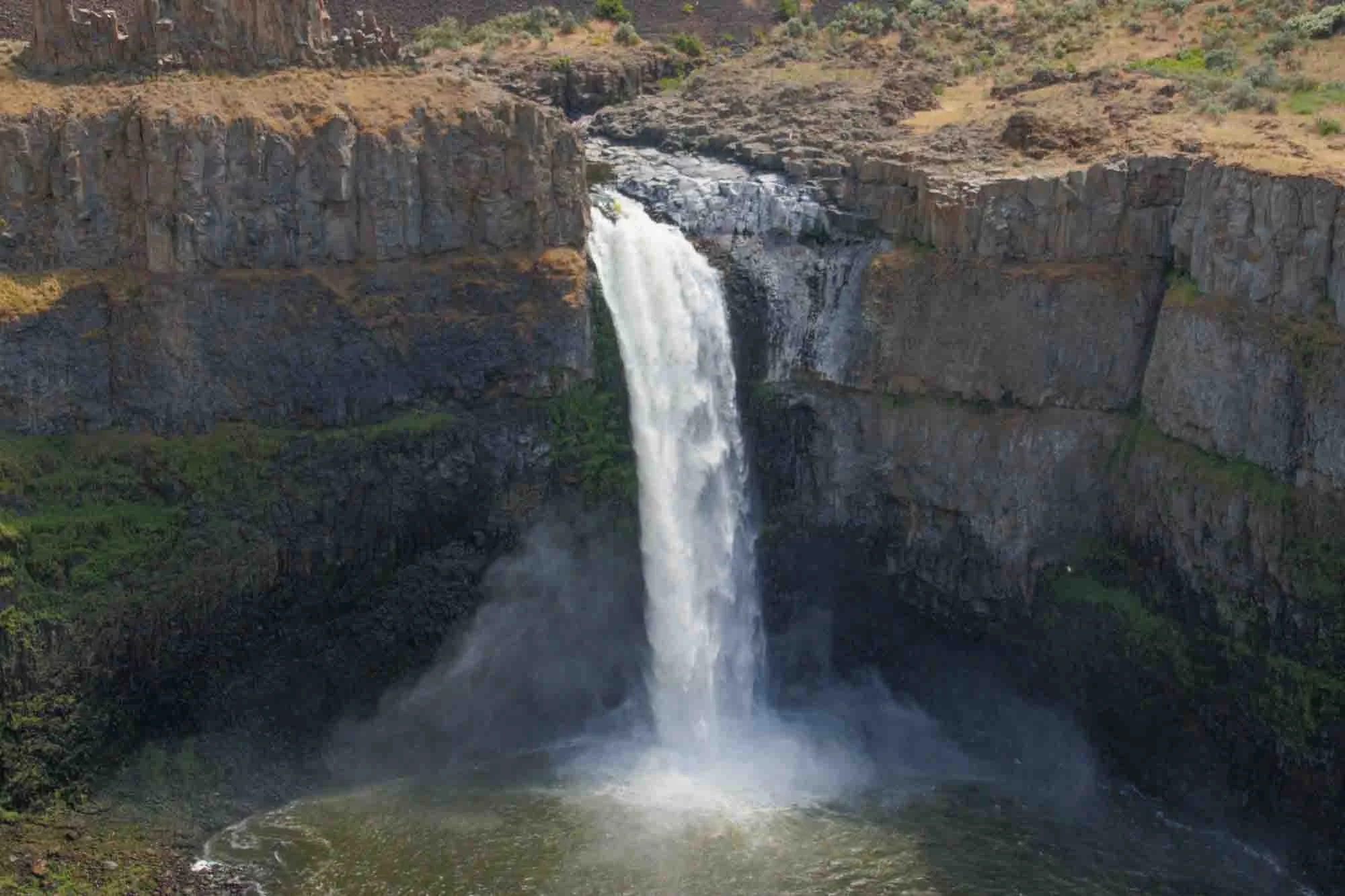
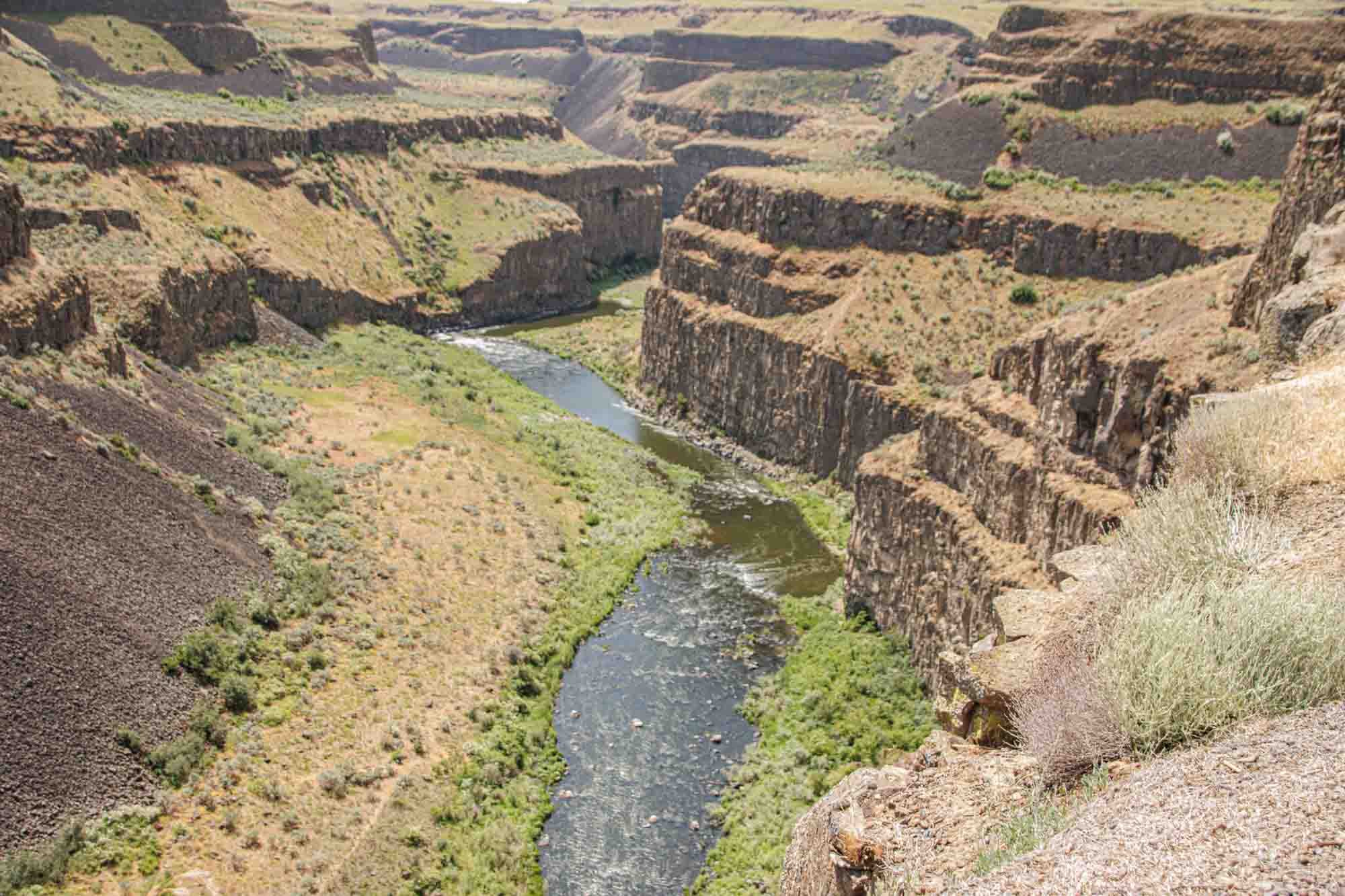
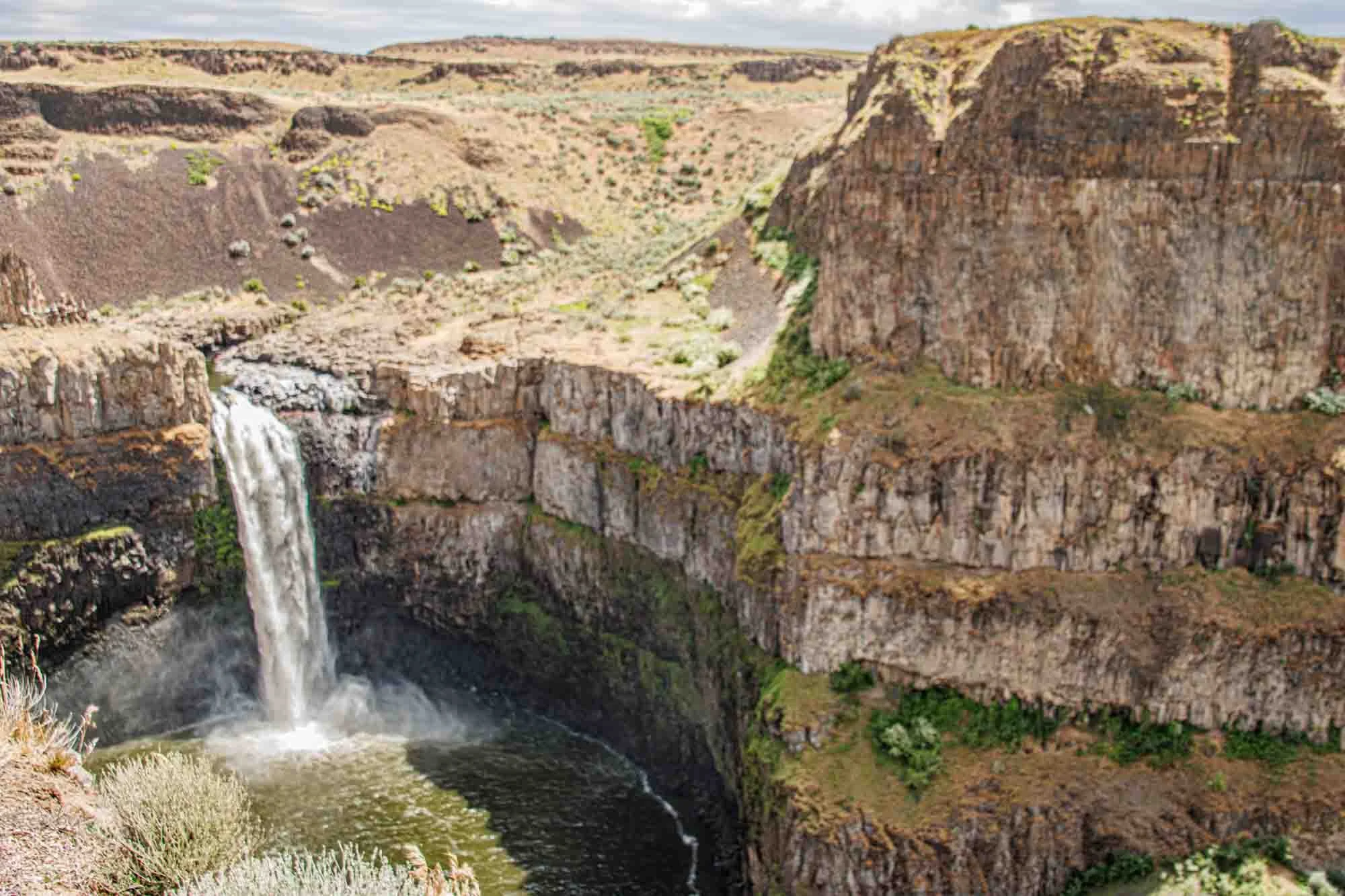
The Palouse River starts in northern Idaho and flows west through the Palouse until it plunges almost 200 feet into a deep, narrow gorge of basalt rock, eventually emptying into the Snake River in southeast Washington. The landscape is a result of massive lava flows and the catastrophic Ice Age floods. These floods overtopped the south valley wall of the Palouse River, diverting it to its current course by eroding a new channel to the Snake River. The Palouse Falls is the only major waterfall left along this thousands-of-years-old flood path. The area is characterized by interconnected and hanging flood-created coulees, cataracts, plunge pools, potholes, rock benches, buttes, and pinnacles typical of scablands.
The Palouse Falls are part of Washington's Palouse Falls State Park, which provides access to the Falls and displays that describe the region's unique geology, As well, the park’s historical ties to the Palouse Indians and the Mullan Road both took advantage of the easy access to the plateau in the vicinity of the Falls. Mullan Road was the first wagon road to cross the Rocky Mountains to the inland of the Pacific Northwest. The Palouse Falls are also known as the Aput Aput, the Palouse Indian name meaning Falling Water. In 2014 Palouse Falls was named as the official Washington State waterfall after a group of elementary students in the town of Washtucna petitioned the legislature to do so.
In 1984, the Franklin County Public Utility District proposed a 98-foot-high (30 m) dam be constructed upstream of the falls, allowing for a significant hydraulic head for hydroelectric power generation. This would have provided over one-third of the county's power and would have reduced ratepayer charges substantially. However, the majority of the ratepayers declined to approve the investment, preserving this geologically significant feature.
The park offers three distinct views of the falls. The lower viewpoint provides a direct view that is reached by a set of steps from the main day-use area adjacent to the parking lot. The second, at the end of a paved interpretive path, explains the history of the secluded canyon. The interpretive path leads to the third and highest viewpoint, the Fryxell Overlook. The steep cliffs offer scenic overlooks for viewing the falls and the surrounding landscape, including the Palouse River leaving the falls toward its confluence with the Snake River. and ultimately with the Columbia River. Unfortunately, in 2022 the trails going down to the bottom of the canyon were closed to hikers permanently because of multiple accidents in 2016-2018, leading to several deaths.
The Falls remain as one of the lasting remnants of the glacial floods.